For any customer complaints or service requests, email Tata Hitachi at: customer.support@tatahitachi.co.in
For any customer complaints or service requests, email Tata Hitachi at: customer.support@tatahitachi.co.in

How Tata Hitachi Excavators Are Engineered for Fuel Efficiency
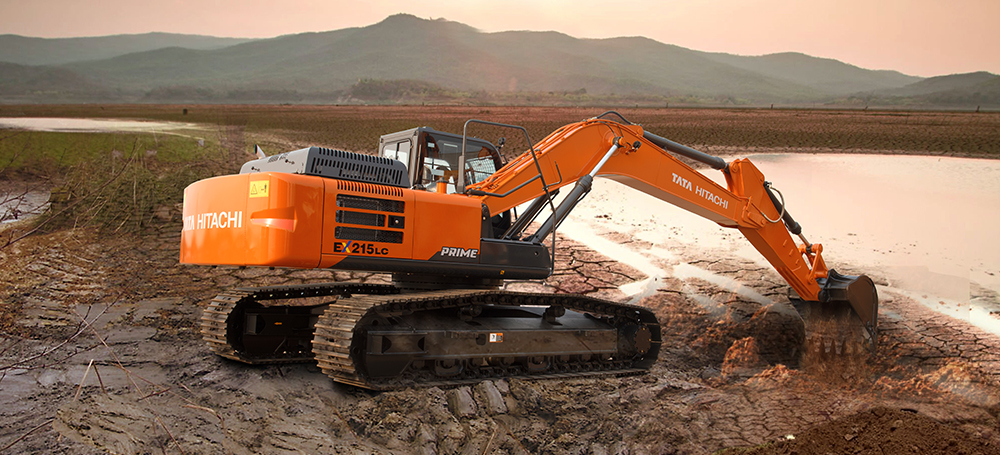
Why Fuel Efficiency Matters in Construction Projects
Fuel accounts for a significant portion of an excavator’s daily operating cost. Whether it’s road construction, infrastructure development, mining, or site preparation, heavy equipment often operates for long hours, making fuel consumption a major expense. Improving excavator fuel efficiency helps contractors reduce operating costs while maintaining productivity. Lower fuel consumption also means fewer refueling stops, allowing machines to spend more time working and less time idle. Over the life of an excavator, even small improvements in fuel efficiency can result in substantial savings. These savings can be invested in expanding operations, maintaining equipment, or improving overall project profitability.What Determines an Excavator’s Fuel Efficiency?
Several factors influence how efficiently an excavator uses fuel. While engine technology is important, it is only one part of the equation.Engine Design
Modern engines are designed to deliver more power while using less fuel. Efficient combustion and precise fuel delivery help reduce unnecessary fuel consumption.Hydraulic System
Hydraulics control most excavator functions. A well-designed hydraulic system reduces engine load by using power more efficiently, improving overall Tata Hitachi excavator fuel efficiency.Machine Weight
A balanced machine design reduces unnecessary energy loss during operation. Proper weight distribution also improves stability and digging performance.Operator Practices
How the machine is operated has a direct impact on fuel usage. Sudden movements, excessive idling, and incorrect bucket loading can increase fuel consumption.Regular Maintenance
Clean filters, proper lubrication and timely servicing help the engine and hydraulic system perform efficiently, reducing fuel wastage.How Tata Hitachi Excavators Are Designed for Better Fuel Economy
Fuel efficiency begins with thoughtful engineering. Tata Hitachi excavators are designed with systems that work together to deliver productivity while minimizing fuel consumption. Efficient engine design ensures the machine produces the required power without unnecessary fuel usage. Optimized hydraulic systems transfer power effectively, allowing the excavator to perform demanding tasks with less strain on the engine. The machines are also designed with balanced weight distribution, which improves stability and reduces energy loss during digging and lifting operations. Intelligent power delivery ensures the engine supplies only the power required for the task, helping improve excavator hydraulic efficiency across different working conditions. Together, these design elements contribute to better fuel economy while maintaining reliable performance.Advanced Hydraulic Systems That Reduce Fuel Consumption
The hydraulic system is one of the biggest contributors to excavator efficiency. Modern hydraulic systems are designed to deliver power only where and when it is needed. This reduces unnecessary engine load and helps lower fuel consumption without affecting digging performance. Efficient hydraulic pumps and valves also improve machine response, allowing operators to complete tasks with smoother movements and shorter cycle times. Many modern excavators also incorporate features similar to excavator Eco Mode, where hydraulic performance is optimized for lighter applications, reducing fuel usage while maintaining productivity.Smart Operating Modes for Different Job Conditions
Modern excavators offer multiple operating modes that match machine performance to the job at hand. Eco Mode is ideal for lighter tasks where maximum engine power is not required. It helps reduce fuel consumption during routine excavation and loading work. Power Mode is designed for demanding applications that require higher engine output and maximum machine performance. It is ideal for challenging conditions such as hard soil, continuous heavy excavation and jobs that require faster digging and lifting. Power Mode provides higher engine output for demanding applications that require faster digging and lifting performance. Heavy-Duty Mode is designed for challenging conditions where maximum machine capability is needed, such as hard soil or continuous heavy excavation. Selecting the appropriate operating mode ensures that the fuel efficient excavator engine delivers only the required power, helping reduce unnecessary fuel usage and improve productivity.Engine Technology That Maximizes Performance with Less Fuel
Today’s excavator engines are much smarter than earlier generations. Electronic engine management continuously monitors machine operation and adjusts fuel delivery based on workload. This ensures the engine uses only the amount of fuel required for the task. Optimized combustion improves the efficiency of every drop of fuel, while intelligent fuel injection systems deliver fuel precisely when needed. These technologies work together to improve engine performance, reduce emissions, and support practical excavator fuel saving tips without requiring additional effort from the operator.Operator Practices That Improve Fuel Efficiency
Even the most efficient excavator depends on good operating practices to achieve the best results. Reducing unnecessary idling is one of the simplest ways to save fuel. Machines that remain idle for long periods continue consuming fuel without doing productive work. Many modern excavators are equipped with an Auto Idle feature, which automatically reduces the engine speed when the machine is not being operated. This helps lower fuel consumption and reduces unnecessary engine wear during idle periods. Smooth operation also improves efficiency. Gentle boom, arm, and swing movements require less energy than sudden or aggressive machine operation. Using the correct bucket size and avoiding overloading helps reduce strain on the hydraulic system. Regular preventive maintenance, including checking filters, hydraulic oil, and track condition, also improves machine performance. Also read: Clamshell Buckets for Construction Excavators Proper machine utilization, along with selecting the right excavator size, helps maximize productivity while keeping fuel consumption under control.Why Choosing the Right Excavator Size Saves Fuel
Machine size has a significant impact on fuel consumption and overall excavator operating cost. An excavator that is larger than necessary consumes more fuel and increases maintenance expenses, even for relatively simple tasks. On the other hand, a machine that is too small may take longer to complete the work, resulting in more operating hours and higher fuel usage. Selecting the right excavator size based on project requirements, material type, and digging depth allows contractors to complete work more efficiently while reducing unnecessary fuel consumption.How Fuel-Efficient Excavators Reduce Total Cost of Ownership
Fuel savings extend far beyond daily operating expenses. Lower fuel consumption reduces one of the largest ongoing costs associated with owning heavy equipment. Efficient machines also place less stress on key components, helping extend the life of engines, hydraulic systems, and other major parts. Improved efficiency often leads to lower maintenance requirements and fewer breakdowns. Over the machine’s lifetime, investing in fuel efficient construction equipment can significantly reduce total ownership costs while improving overall project profitability.Why Tata Hitachi Continues to Focus on Fuel-Efficient Engineering
Tata Hitachi’s approach to excavator design focuses on delivering dependable performance while improving operational efficiency. By combining efficient engines, optimized hydraulic systems, balanced machine design, and intelligent power management, to help customers achieve better productivity with lower fuel consumption. As construction projects become more demanding and operating costs continue to rise, engineering solutions that improve efficiency without compromising performance remain an important part of modern excavator design.Conclusion
Fuel efficiency is no longer just an added advantage—it has become an important factor in improving productivity and reducing operating costs. From advanced hydraulic systems and intelligent engine technology to proper machine sizing and efficient operating practices, every aspect of excavator design contributes to better fuel economy. Choosing a fuel-efficient excavator not only lowers daily fuel expenses but also reduces maintenance costs and improves long-term equipment performance. With thoughtful engineering and responsible machine operation, contractors can complete projects more efficiently while maintaining profitability and achieving greater value from their equipment investment.FAQs
-
Why is fuel efficiency important in excavators?
Fuel efficiency reduces operating costs, improves productivity, lowers emissions, and helps contractors complete projects more economically over the machine’s lifetime. -
What affects an excavator’s fuel consumption?
Engine technology, hydraulic efficiency, machine size, operating practices, maintenance, site conditions, and workload all influence fuel consumption. -
How do hydraulic systems improve fuel efficiency?
Efficient hydraulic systems reduce engine load by delivering power only where needed, helping lower fuel consumption while maintaining strong digging performance. -
How do Tata Hitachi excavators help reduce operating costs?
Efficient engines, optimized hydraulics, balanced machine design, and intelligent power delivery help reduce fuel usage, improve productivity, and lower long-term operating costs. -
Does machine size affect fuel consumption?
Yes. Oversized machines consume more fuel, while undersized machines take longer to complete work. Choosing the right size improves efficiency and reduces operating costs.
How Much Does Excavation Cost in India? A Contractor’s Guide
Read more
Why Choose Tata Hitachi Excavators? Benefits, Price & Best Models in India
Read moreMost Viewed Article
- Excavator: Types, Specifications, Uses in Construction Site
- Which Is Better: Backhoe or the Excavator?
- Construction Equipment License: How to Get Heavy Machinery Operator License in India
- Enhancing Excavator Efficiency: A Comprehensive Guide to Excavator Attachments
- How does the Backhoe Loader work?
Recent Articles
July 31, 2026.
Why Choose Tata Hitachi Excavators? Benefits, Price & Best Models in India
Why Choose Tata Hitachi Excavators? Benefits, Price & Best Models in India Tata Hitachi excavators are among the most trusted Continue Reading
Read more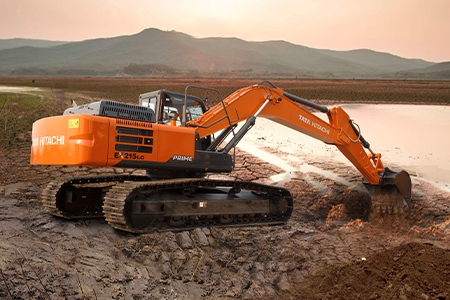
July 29, 2026.
How Tata Hitachi Excavators Are Engineered for Fuel Efficiency
How Tata Hitachi Excavators Are Engineered for Fuel Efficiency Fuel is one of the biggest operating expenses in any construction Continue Reading
Read more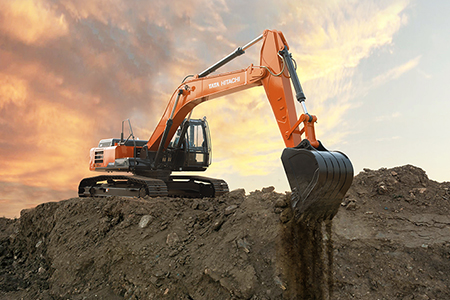
July 29, 2026.
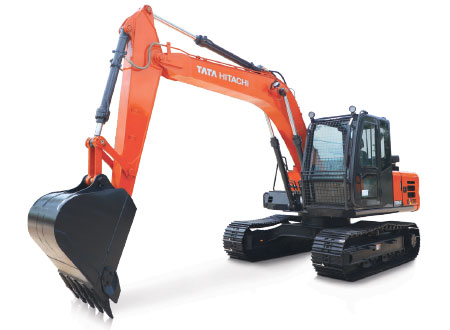
How Much Does Excavation Cost in India? A Contractor’s Guide
How Much Does Excavation Cost in India? A Contractor’s Guide Excavation is one of the first and most important activities Continue Reading
Read more


Related Articles
July 31, 2026.
Why Choose Tata Hitachi Excavators? Benefits, Price & Best Models in India
Why Choose Tata Hitachi Excavators? Benefits, Price & Best Models in India Tata Hitachi excavators are among the most trusted Continue Reading
Read more
July 29, 2026.
How Tata Hitachi Excavators Are Engineered for Fuel Efficiency
How Tata Hitachi Excavators Are Engineered for Fuel Efficiency Fuel is one of the biggest operating expenses in any construction Continue Reading
Read more
July 29, 2026.
How Much Does Excavation Cost in India? A Contractor’s Guide
How Much Does Excavation Cost in India? A Contractor’s Guide Excavation is one of the first and most important activities Continue Reading
Read more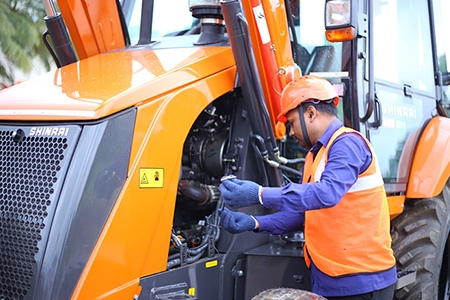
July 29, 2026.
Excavator Maintenance Checklist: Daily, Weekly & Monthly Guide
Excavator Maintenance Checklist: Daily, Weekly & Monthly Guide Regular excavator maintenance is essential for keeping the machine safe, productive, and Continue Reading
Read more
June 17, 2026.
How to Choose the Right Excavator for Your Construction Needs
How to Choose the Right Excavator for Your Construction Needs Selecting the right excavator is one of the most important Continue Reading
Read more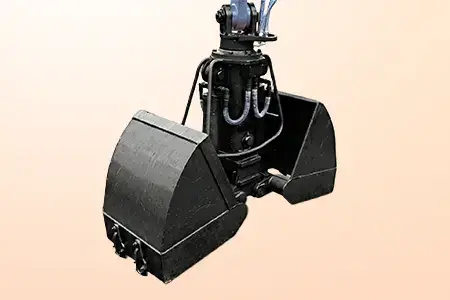
February 10, 2026.
Clamshell Buckets for Construction Excavators: Types, Uses, and How to Choose the Right One
Clamshell Buckets for Construction Excavators: Types, Uses, and How to Choose the Right One | Tata Hitachi
Read more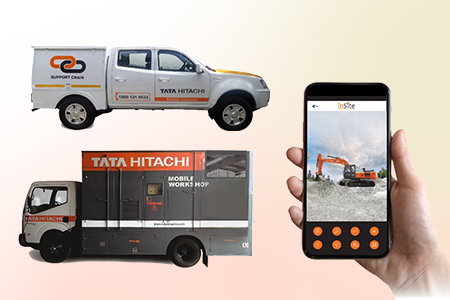
August 1, 2025.
The Role of After-Sales Support in Heavy Equipment Longevity
The Role of After-Sales Support in Heavy Equipment Longevity In industries like construction, mining, and infrastructure development, the journey doesn’t Continue Reading
Read more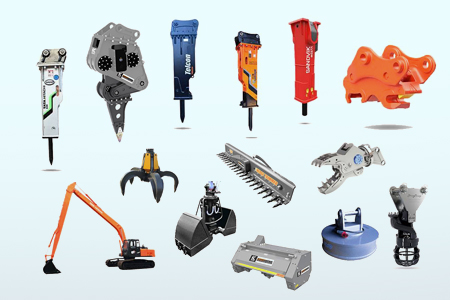
August 1, 2025.
How the Right Attachments Can Reduce Heavy Machine Downtime
How the Right Excavator Attachments Can Reduce Heavy Machine Downtime In construction, mining, and infrastructure projects, machine downtime often leads Continue Reading
Read more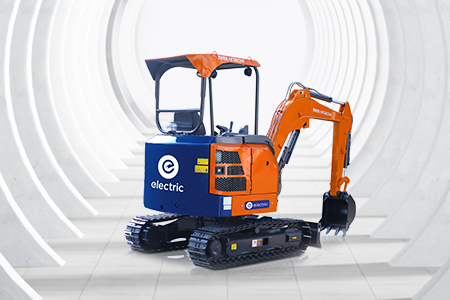
July 31, 2025.
Electric Construction Heavy Equipment Machinery: Benefits, Disadvantages, and More
Electric Construction Heavy Equipment Machinery: Benefits, Disadvantages, and More Introduction The construction equipment industry is undergoing a major transformation Continue Reading
Read more
April 22, 2025.
Construction Equipment License: How to Get Heavy Machinery Operator License in India
Construction Equipment License: How to Get Heavy Machinery Operator License in India Operating heavy machinery is a crucial role in Continue Reading
Read more