For any customer complaints or service requests, email Tata Hitachi at: customer.support@tatahitachi.co.in
For any customer complaints or service requests, email Tata Hitachi at: customer.support@tatahitachi.co.in

Fuel Efficiency Tips for Excavators: How to Lower Your Heavy Equipment Operating Costs
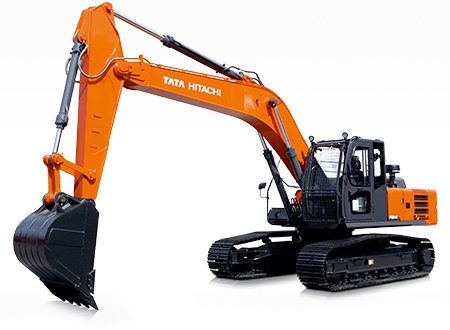
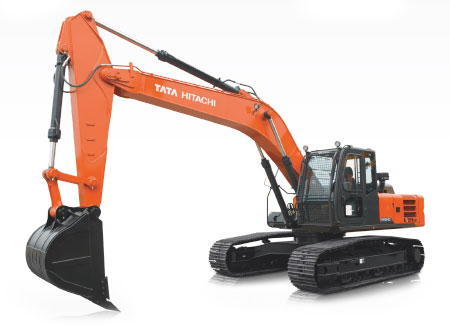
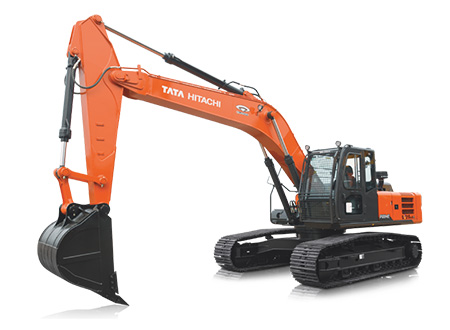
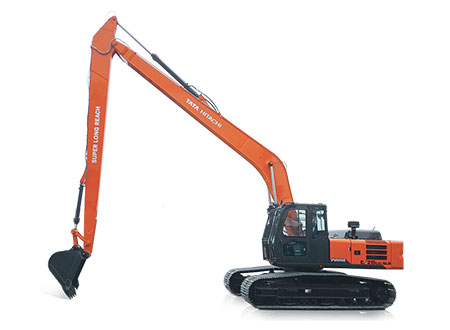
 Fuel efficiency is a key factor in managing excavator operating costs, particularly on construction and mining sites where machines run for long hours. Excessive idling, inefficient operating practices and delayed maintenance can increase diesel consumption and project expenses. These practical excavator fuel efficiency tips can help reduce fuel wastage, improve machine utilization and keep operating costs under control.
Maintain Your Excavator for Optimal Performance
Regular excavator maintenance helps maintain engine and hydraulic efficiency, prevent unnecessary fuel consumption and reduce avoidable operating expenses. Follow these essential maintenance practices:- Regularly servicing the engine and hydraulic systems.
- Keeping air filters clean to prevent fuel wastage.
- Ensuring proper track tension to reduce drag and wear.
Utilize Modern Technology
Modern excavator technology helps operators and fleet managers monitor fuel consumption, identify inefficiencies and improve machine utilization. The following features can help reduce unnecessary fuel usage:- Telematics systems: These provide real-time data on fuel consumption and machine performance.
- Automatic idle shut-off: Reduces unnecessary fuel consumption during inactivity.
- Eco-modes: Adjust machine settings to balance power and efficiency.
Adopt Smart Operational Practices
Operator behaviour and job-site planning directly influence excavator fuel consumption. Applying these fuel-saving practices can help reduce unnecessary engine use and improve productivity:- Reducing idle time: Turn off the engine during prolonged inactivity.
- Optimizing machine settings: Use appropriate power modes based on the task.
- Planning operations efficiently: Minimize unnecessary movement and prioritize tasks.
Use High-Quality Fuel and Lubricants
Using the recommended premium fuel and lubricants and following the manufacturer’s maintenance guidelines help protect engine and hydraulic components and maintain efficient machine performance. Ensure that:- Fuel is free from contaminants.
- Lubricants meet the manufacturer’s recommendations.
Train Operators
Well-trained excavator operators can help reduce fuel wastage by using machine controls efficiently, avoiding unnecessary movements and selecting appropriate operating practices for the task. Training should cover:- Proper use of controls to avoid overworking the engine.
- Techniques to minimize repetitive movements.
- Awareness of fuel-saving practices.
Monitor Fuel Consumption
Regularly monitoring excavator fuel consumption helps identify unusual usage patterns, excessive idling and opportunities to improve operating efficiency. Use the following methods:- Fuel logs to record consumption over time.
- Alerts to signal abnormal usage patterns.
- Reports generated by telematics systems for actionable insights.
Schedule Regular Inspections
Routine excavator inspections help identify issues that may affect machine performance, increase fuel consumption or lead to costly downtime. Pay attention to:- Identifying leaks in fuel lines or hydraulic systems.
- Monitoring tire or track conditions for optimal traction.

Essential Wheel Loader Maintenance Tips for Maximum Longevity
Read more
Construction Equipment License: How to Get Heavy Machinery Operator License in India
Read moreMost Viewed Article
- Excavator: Types, Specifications, Uses in Construction Site
- Which Is Better: Backhoe or the Excavator?
- Construction Equipment License: How to Get Heavy Machinery Operator License in India
- Enhancing Excavator Efficiency: A Comprehensive Guide to Excavator Attachments
- How does the Backhoe Loader work?
Recent Articles
July 31, 2026.
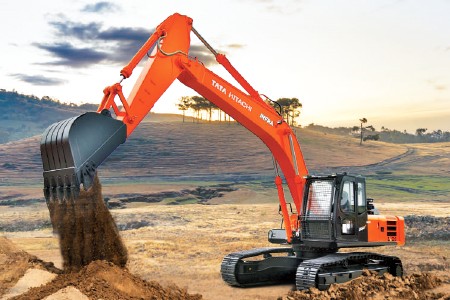
Why Choose Tata Hitachi Excavators? Benefits, Price & Best Models in India
Why Choose Tata Hitachi Excavators? Benefits, Price & Best Models in India Tata Hitachi excavators are among the most trusted Continue Reading
Read more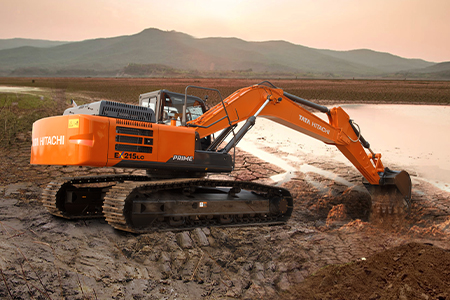
July 29, 2026.
How Tata Hitachi Excavators Are Engineered for Fuel Efficiency
How Tata Hitachi Excavators Are Engineered for Fuel Efficiency Fuel is one of the biggest operating expenses in any construction Continue Reading
Read more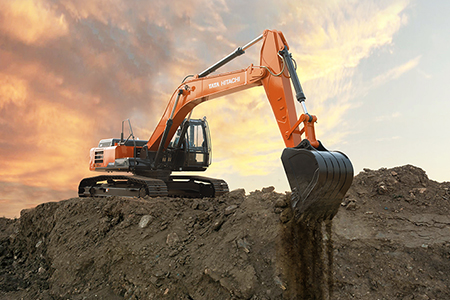
July 29, 2026.
How Much Does Excavation Cost in India? A Contractor’s Guide
How Much Does Excavation Cost in India? A Contractor’s Guide Excavation is one of the first and most important activities Continue Reading
Read more


Related Articles
July 31, 2026.
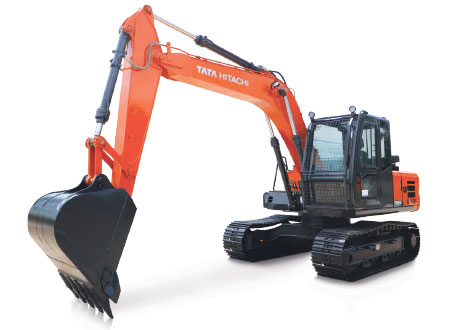
Why Choose Tata Hitachi Excavators? Benefits, Price & Best Models in India
Why Choose Tata Hitachi Excavators? Benefits, Price & Best Models in India Tata Hitachi excavators are among the most trusted Continue Reading
Read more
July 29, 2026.
How Tata Hitachi Excavators Are Engineered for Fuel Efficiency
How Tata Hitachi Excavators Are Engineered for Fuel Efficiency Fuel is one of the biggest operating expenses in any construction Continue Reading
Read more
July 29, 2026.
How Much Does Excavation Cost in India? A Contractor’s Guide
How Much Does Excavation Cost in India? A Contractor’s Guide Excavation is one of the first and most important activities Continue Reading
Read more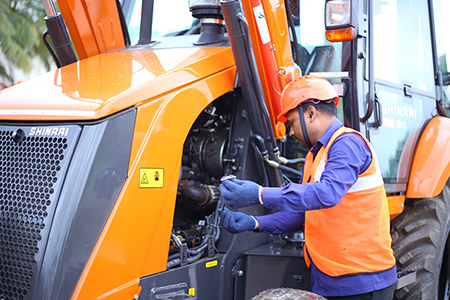
July 29, 2026.
Excavator Maintenance Checklist: Daily, Weekly & Monthly Guide
Excavator Maintenance Checklist: Daily, Weekly & Monthly Guide Regular excavator maintenance is essential for keeping the machine safe, productive, and Continue Reading
Read more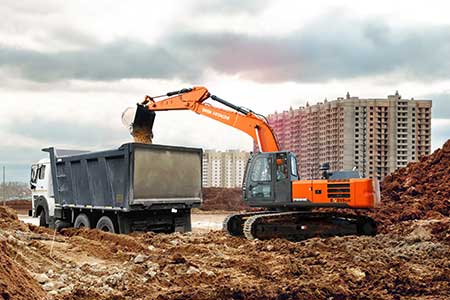
June 17, 2026.
How to Choose the Right Excavator for Your Construction Needs
How to Choose the Right Excavator for Your Construction Needs Selecting the right excavator is one of the most important Continue Reading
Read more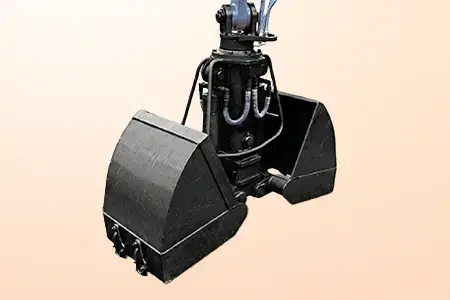
February 10, 2026.
Clamshell Buckets for Construction Excavators: Types, Uses, and How to Choose the Right One
Clamshell Buckets for Construction Excavators: Types, Uses, and How to Choose the Right One | Tata Hitachi
Read more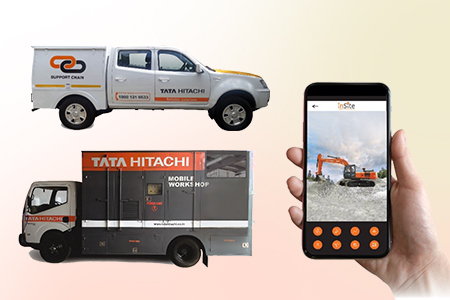
August 1, 2025.
The Role of After-Sales Support in Heavy Equipment Longevity
The Role of After-Sales Support in Heavy Equipment Longevity In industries like construction, mining, and infrastructure development, the journey doesn’t Continue Reading
Read more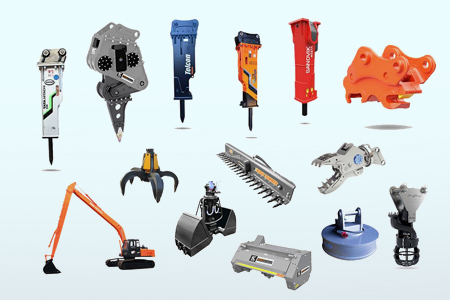
August 1, 2025.
How the Right Attachments Can Reduce Heavy Machine Downtime
How the Right Excavator Attachments Can Reduce Heavy Machine Downtime In construction, mining, and infrastructure projects, machine downtime often leads Continue Reading
Read more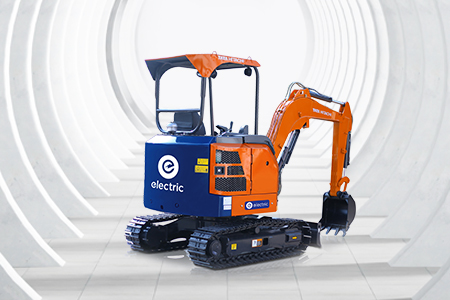
July 31, 2025.
Electric Construction Heavy Equipment Machinery: Benefits, Disadvantages, and More
Electric Construction Heavy Equipment Machinery: Benefits, Disadvantages, and More Introduction The construction equipment industry is undergoing a major transformation Continue Reading
Read more
April 22, 2025.
Construction Equipment License: How to Get Heavy Machinery Operator License in India
Construction Equipment License: How to Get Heavy Machinery Operator License in India Operating heavy machinery is a crucial role in Continue Reading
Read more