For any customer complaints or service requests, email Tata Hitachi at: customer.support@tatahitachi.co.in
For any customer complaints or service requests, email Tata Hitachi at: customer.support@tatahitachi.co.in

Excavator Maintenance Checklist: Daily, Weekly & Monthly Guide
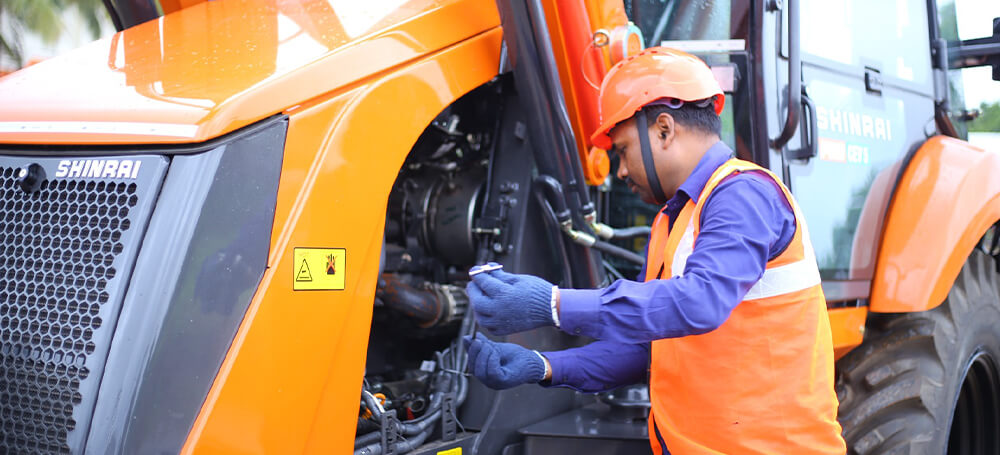
Why Excavator Maintenance is Important
Excavators work in demanding conditions every day. Dust, heavy loads, uneven terrain, and long operating hours put constant pressure on machine components. Without regular excavator maintenance, small issues can quickly turn into expensive repairs and unexpected downtime. Routine inspections help identify problems early, such as hydraulic leaks, loose pins, track wear, or overheating. Addressing these issues in time improves machine reliability and reduces repair costs. Preventive maintenance also helps maintain fuel efficiency, which is important for controlling overall operating expenses. Safety is another major reason why maintenance matters. Faulty brakes, damaged hoses, or worn-out components can create serious safety risks for operators and nearby workers. A proper daily equipment inspection checklist helps ensure that the excavator remains safe to operate throughout the project. Regular servicing also increases machine lifespan and improves resale value. Well-maintained excavators generally perform more consistently and require fewer major repairs over time. This is why preventive maintenance plays a key role in construction equipment management.Excavator Maintenance Checklist Overview
A proper excavator maintenance checklist is usually divided into three stages: daily, weekly, and monthly inspections. Each stage focuses on different machine components and maintenance needs.- Daily checks focus on basic inspections before and after operation.
- Weekly maintenance includes lubrication, filter cleaning, and deeper inspections.
- Monthly servicing involves detailed system checks, fluid replacement, and component inspection for long-term performance.
Daily Excavator Maintenance Checklist
Daily inspections are one of the most important parts of excavator maintenance. These checks usually take only a few minutes but help prevent major failures and costly downtime later.Check Fluid Levels
Inspect engine oil, hydraulic oil, coolant, and fuel levels before starting operations. Low or contaminated fluids can affect machine performance and damage major components.Inspect for Leaks
Walk around the machine and check for hydraulic, coolant, or fuel leaks beneath the excavator. Even small leaks should not be ignored.Examine the Undercarriage
Inspect tracks, rollers, sprockets, and idlers for excessive wear or damage. Remove mud, stones, or debris stuck in the undercarriage area.Inspect Hydraulic Hoses and Cylinders
Check hydraulic hoses for cracks, abrasion, or loose fittings. Hydraulic cylinders should be clean and free from scratches or oil seepage.Check Boom, Arm & Bucket
Inspect the boom, arm, and bucket for visible cracks, loose pins, worn bucket teeth, or structural damage.Test Safety Features
Ensure lights, horn, alarms, mirrors, seat belts, and emergency systems are working properly before operation begins.Monitor Machine Performance
After starting the excavator machine, listen for unusual noises, vibration, overheating, or warning indicators on the control panel. Performing these checks consistently improves machine reliability and supports safer site operations.Weekly Excavator Maintenance Checklist
Weekly maintenance focuses on deeper inspections and lubrication tasks that support smoother machine operation over time.Grease Moving Parts
Lubricate boom pins, bucket linkages, swing bearings, and other moving joints. Proper greasing reduces friction and prevents premature wear.Clean Cooling Components
Dust and debris can block radiator fins and hydraulic oil coolers. Cleaning these areas helps maintain proper engine temperature and cooling efficiency.Inspect Filters
Check air filters, fuel filters, and hydraulic filters for dirt or blockage. Dirty filters can reduce machine efficiency and increase fuel consumption.Check Battery Condition
Inspect battery terminals for corrosion and ensure connections are tight and secure.Inspect Track Tension
Track tension should not be too tight or too loose. Incorrect tension can increase undercarriage wear and reduce machine stability.Examine Structural Components
Check for cracks, loose bolts, and excessive wear around the boom, arm, swing area, and undercarriage frame. These weekly tasks improve machine durability and help prevent long-term mechanical issues.Monthly Excavator Maintenance Checklist
Monthly inspections are more detailed and focus on maintaining long-term excavator performance.Replace Fluids and Filters if Required
Depending on operating hours and manufacturer recommendations, engine oil, hydraulic filters, and fuel filters may need replacement.Inspect Hydraulic System Performance
Check hydraulic pressure, cylinder performance, and hose condition carefully. Slow or jerky movements may indicate hydraulic system issues.Check Swing System and Final Drives
Inspect swing gear oil and final drive components for wear, leakage, or unusual noise during operation.Inspect Electrical Systems
Check wiring, lights, sensors, switches, and battery charging systems for damage or malfunction.Evaluate Undercarriage Wear
Measure track wear and inspect rollers, sprockets, and idlers closely. The undercarriage is one of the highest maintenance cost areas in an excavator machine.Perform Complete Machine Inspection
A full equipment inspection checklist should be completed monthly to identify any developing problems before they affect productivity. Monthly servicing helps maintain machine efficiency and reduces the risk of major breakdowns during critical project operations.Excavator Preventive Maintenance Tips
Preventive maintenance is one of the best ways to reduce long-term repair costs and improve machine life.Follow the Recommended Service Schedule
Always follow the manufacturer’s recommended maintenance intervals for filters, fluids, and lubrication points.Use Genuine Spare Parts
Using high-quality or genuine replacement parts improves reliability and protects important machine systems.Keep the Machine Clean
Mud, debris, and dust buildup can hide leaks and increase wear on components. Cleaning the excavator regularly makes inspections easier.Train Operators Properly
Operators play an important role in machinery maintenance. Proper machine handling reduces unnecessary stress on hydraulic systems, tracks, and attachments.Maintain Service Records
Keeping track of inspections, repairs, and servicing helps improve construction equipment management and prevents missed maintenance intervals. Preventive maintenance improves uptime, lowers repair expenses, and supports smoother project execution.Common Excavator Maintenance Mistakes to Avoid
One common mistake is skipping the daily inspection checklist to save time. Small problems like loose hoses or low fluid levels can quickly become major failures if ignored. Another mistake is delaying lubrication. Lack of greasing increases friction and accelerates wear on pins, bushings, and moving joints. Ignoring warning signs such as overheating, unusual noise, or reduced hydraulic performance can also lead to expensive repairs. Many operators also overlook undercarriage cleaning, even though mud and debris buildup increase wear significantly. Using poor-quality spare parts or incorrect hydraulic oil is another issue that affects machine performance and reliability. Avoiding these mistakes improves excavator maintenance efficiency and helps reduce overall operating costs. Also read: Why Choose Tata Hitachi Excavators?Excavator Maintenance Schedule
A proper excavator maintenance schedule depends on machine usage, operating hours, and job site conditions.- Daily: Fluid checks, leak inspection, safety inspection, undercarriage cleaning
- Weekly: Lubrication, radiator cleaning, filter inspection, track tension check
- Monthly: Detailed hydraulic inspection, fluid replacement, structural inspection, electrical checks
- 250–500 Hours: Oil and filter changes, cooling system inspection
- 1,000+ Hours: Hydraulic system servicing, final drive inspection, major preventive maintenance tasks
Signs Your Excavator Needs Immediate Maintenance
Certain warning signs should never be ignored during operation.- Hydraulic leaks or sudden pressure loss
- Engine overheating
- Unusual vibration or grinding noise
- Slow or jerky hydraulic movement
- Excessive exhaust smoke
- Frequent warning lights on the dashboard
- Track instability or uneven movement
- Reduced digging performance
Conclusion
Regular excavator maintenance is essential for improving machine life, reducing downtime, and ensuring safe operation on the job site. Following a proper equipment inspection checklist helps identify small problems before they become costly repairs. Daily checks, weekly lubrication, and monthly servicing all play an important role in maintaining excavator performance and fuel efficiency. A well-planned excavator maintenance schedule also supports better construction equipment management and improves overall productivity. By following preventive maintenance practices and avoiding common maintenance mistakes, operators and fleet managers can keep the excavator machine running efficiently for years while reducing long-term operating costs.FAQs
-
How to create an excavator maintenance schedule?
An excavator maintenance schedule should include daily inspections, weekly lubrication tasks, monthly servicing, and major maintenance intervals based on operating hours and manufacturer recommendations. -
What is the daily maintenance checklist for an excavator?
Daily excavator maintenance includes checking fluid levels, inspecting for leaks, examining tracks and hydraulic hoses, testing safety systems, and monitoring machine performance before operation. -
How often should an excavator be serviced?
Excavators should be inspected daily and serviced at regular intervals such as 250, 500, and 1,000 operating hours, depending on machine usage and site conditions. -
What happens if you don’t maintain an excavator?
Poor excavator maintenance can lead to breakdowns, higher repair costs, reduced fuel efficiency, unsafe operation, and shorter machine lifespan. -
How long does an excavator last with proper maintenance?
With proper excavator maintenance and regular servicing, an excavator machine can operate efficiently for thousands of working hours over many years.

How to Choose the Right Excavator for Your Construction Needs
Read more
How Much Does Excavation Cost in India? A Contractor’s Guide
Read moreMost Viewed Article
- Excavator: Types, Specifications, Uses in Construction Site
- Which Is Better: Backhoe or the Excavator?
- Construction Equipment License: How to Get Heavy Machinery Operator License in India
- Enhancing Excavator Efficiency: A Comprehensive Guide to Excavator Attachments
- How does the Backhoe Loader work?
Recent Articles
July 31, 2026.
Why Choose Tata Hitachi Excavators? Benefits, Price & Best Models in India
Why Choose Tata Hitachi Excavators? Benefits, Price & Best Models in India Tata Hitachi excavators are among the most trusted Continue Reading
Read more
July 29, 2026.
How Tata Hitachi Excavators Are Engineered for Fuel Efficiency
How Tata Hitachi Excavators Are Engineered for Fuel Efficiency Fuel is one of the biggest operating expenses in any construction Continue Reading
Read more
July 29, 2026.
How Much Does Excavation Cost in India? A Contractor’s Guide
How Much Does Excavation Cost in India? A Contractor’s Guide Excavation is one of the first and most important activities Continue Reading
Read more


Related Articles
July 31, 2026.
Why Choose Tata Hitachi Excavators? Benefits, Price & Best Models in India
Why Choose Tata Hitachi Excavators? Benefits, Price & Best Models in India Tata Hitachi excavators are among the most trusted Continue Reading
Read more
July 29, 2026.
How Tata Hitachi Excavators Are Engineered for Fuel Efficiency
How Tata Hitachi Excavators Are Engineered for Fuel Efficiency Fuel is one of the biggest operating expenses in any construction Continue Reading
Read more
July 29, 2026.
How Much Does Excavation Cost in India? A Contractor’s Guide
How Much Does Excavation Cost in India? A Contractor’s Guide Excavation is one of the first and most important activities Continue Reading
Read more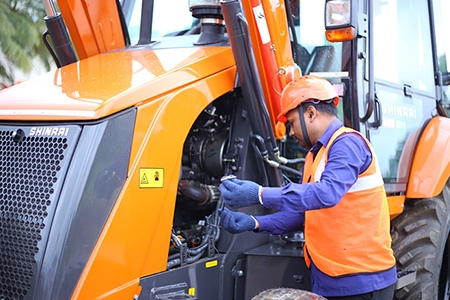
July 29, 2026.
Excavator Maintenance Checklist: Daily, Weekly & Monthly Guide
Excavator Maintenance Checklist: Daily, Weekly & Monthly Guide Regular excavator maintenance is essential for keeping the machine safe, productive, and Continue Reading
Read more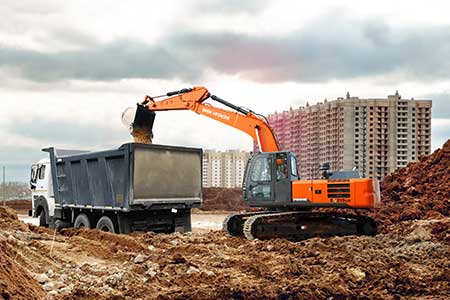
June 17, 2026.
How to Choose the Right Excavator for Your Construction Needs
How to Choose the Right Excavator for Your Construction Needs Selecting the right excavator is one of the most important Continue Reading
Read more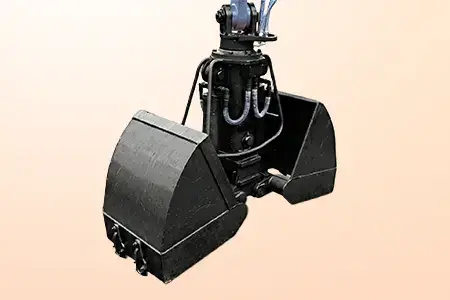
February 10, 2026.
Clamshell Buckets for Construction Excavators: Types, Uses, and How to Choose the Right One
Clamshell Buckets for Construction Excavators: Types, Uses, and How to Choose the Right One | Tata Hitachi
Read more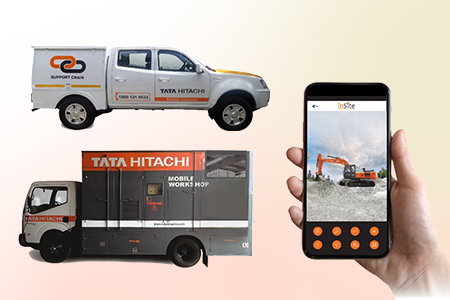
August 1, 2025.
The Role of After-Sales Support in Heavy Equipment Longevity
The Role of After-Sales Support in Heavy Equipment Longevity In industries like construction, mining, and infrastructure development, the journey doesn’t Continue Reading
Read more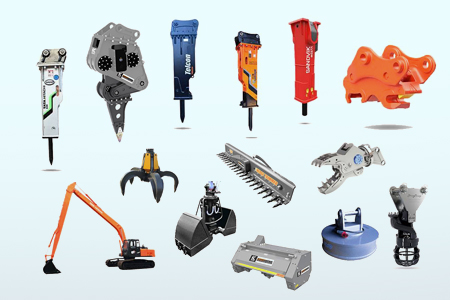
August 1, 2025.
How the Right Attachments Can Reduce Heavy Machine Downtime
How the Right Excavator Attachments Can Reduce Heavy Machine Downtime In construction, mining, and infrastructure projects, machine downtime often leads Continue Reading
Read more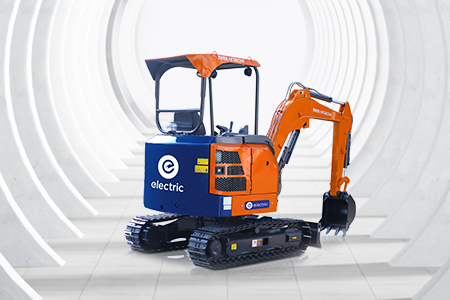
July 31, 2025.
Electric Construction Heavy Equipment Machinery: Benefits, Disadvantages, and More
Electric Construction Heavy Equipment Machinery: Benefits, Disadvantages, and More Introduction The construction equipment industry is undergoing a major transformation Continue Reading
Read more
April 22, 2025.
Construction Equipment License: How to Get Heavy Machinery Operator License in India
Construction Equipment License: How to Get Heavy Machinery Operator License in India Operating heavy machinery is a crucial role in Continue Reading
Read more