For any customer complaints or service requests, email Tata Hitachi at: customer.support@tatahitachi.co.in
For any customer complaints or service requests, email Tata Hitachi at: customer.support@tatahitachi.co.in

How to Choose the Right Excavator for Your Construction Needs
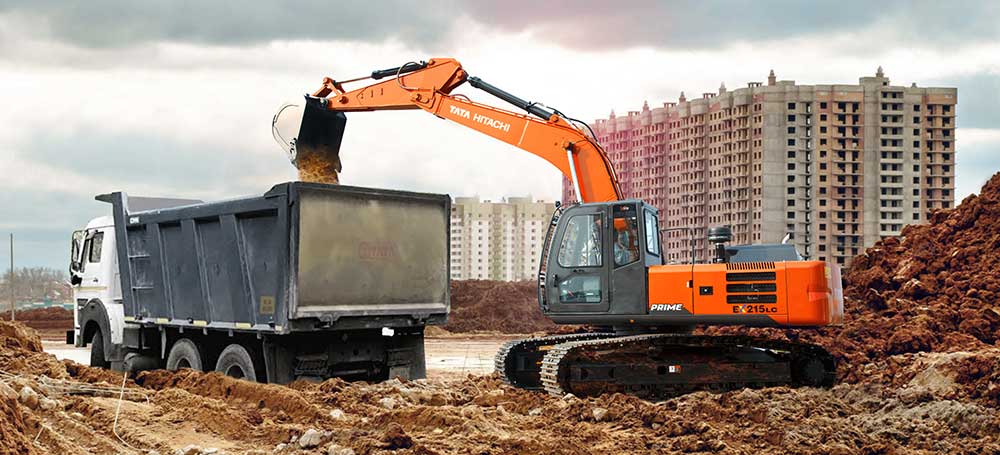 Selecting the right excavator is one of the most important decisions for any construction project. The right machine directly impacts productivity, fuel efficiency, project timelines and overall operating costs. Choosing the right excavator can complete digging, lifting and loading tasks faster while reducing unnecessary wear and breakdowns. On the other hand, choosing the wrong size or type can lead to higher fuel consumption, frequent downtime, and reduced performance on the job site. Since every project has different requirements, whether it is road construction, quarry work or urban excavation, understanding machine capabilities becomes essential. This excavator selection guide explains key factors to consider before investing.
Understand Your Project Requirements
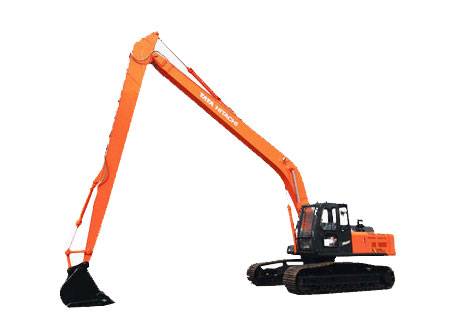
Before choosing the best excavator for construction, it is important to understand the project requirements clearly. Every job site is different, and the machine must match the working conditions.- Excavation Depth & Reach: If the project involves deep digging or high-reach loading, the excavator must have the required boom and arm reach to avoid constant repositioning.
- Terrain & Undercarriage: Rocky areas, uneven ground, soft soil, and steep slopes require strong stability and the right undercarriage.
- Material Density: The type of material being handled also matters. Digging loose soil is very different from handling hard rock or demolition debris. Material type directly dictates your required digging force and bucket selection.
- Project Scale & Duration: Project scale and duration are equally important. For short-term projects, heavy investment may not be required. But for long-term work, durability and service support become critical.
Types of Excavators – Mini, Construction & Mining
Mini Excavators
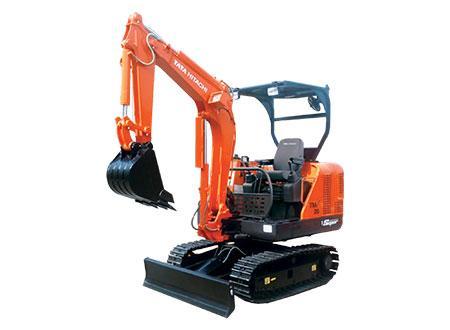
Mini excavators are compact yet powerful machines designed to operate comfortably in tight spaces where larger machines can’t fit. These machines are perfect for landscaping, small-scale earthmoving, trenching, and utility work in urban or residential areas. Tata Hitachi’s Mini Excavators are designed with a strong yet compact build, fuel-efficient engines, smooth hydraulics, and easy maneuverability, delivering dependable performance on smaller jobsites. Because of their size and versatility, mini excavators are widely chosen for light construction tasks and sites with limited space, while still offering good returns on investment.Construction Excavators
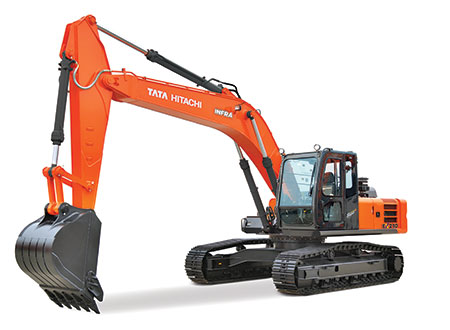
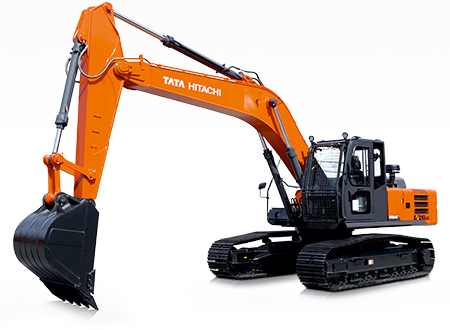
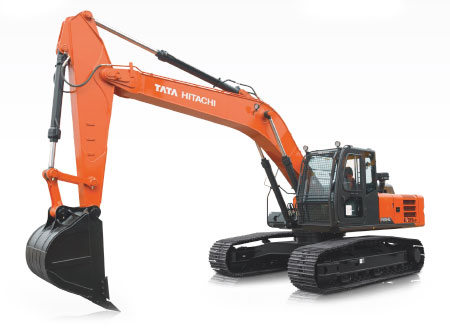
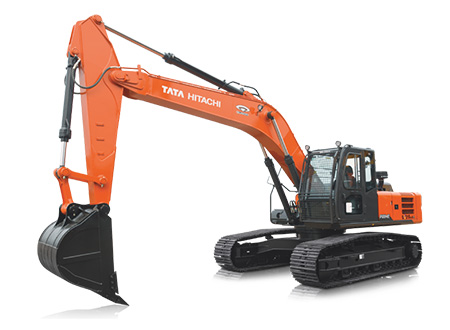
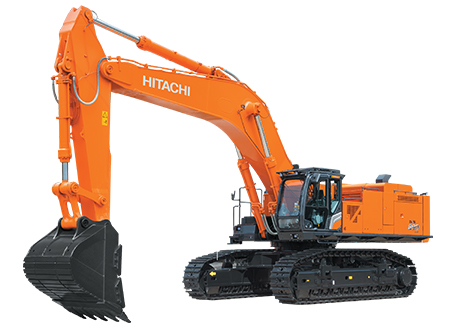
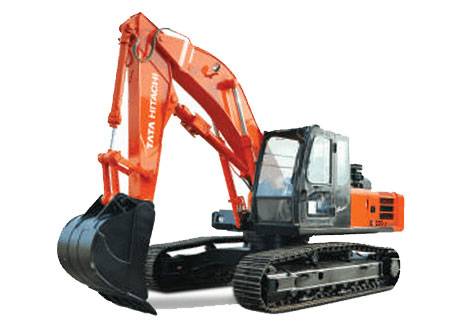
Construction excavators are the backbone of most civil and infrastructure projects. These machines are built to handle everyday digging, loading, trenching, and material handling work with durability and efficiency. Tata Hitachi offers a wide range of construction excavators with models ranging from 7 to 40 ton, suitable for different job site requirements and project sizes. These machines are ideal for roadwork, foundation digging, pipeline work, site development, and general earthmoving applications. With strong hydraulics, reliable digging force, and fuel-efficient performance, construction excavators help improve productivity while keeping operating costs under control. Their versatility and durability make them an essential part of any heavy construction equipment fleet.Mining Excavators
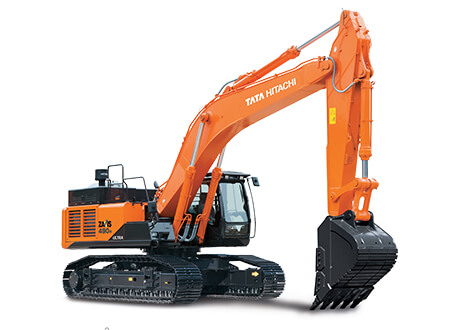
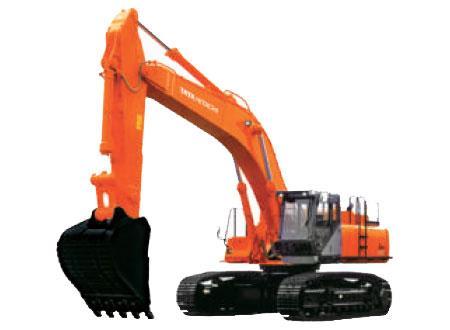
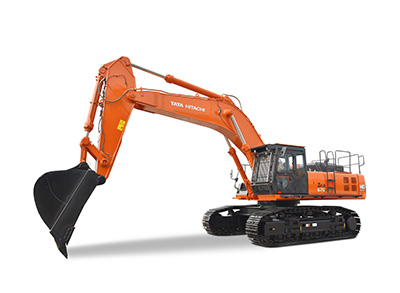
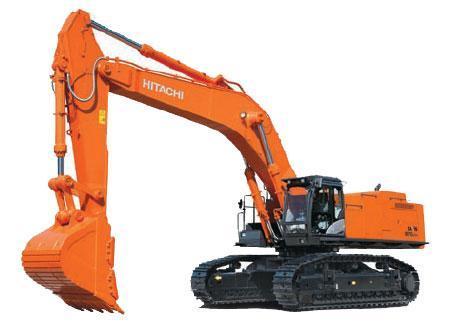
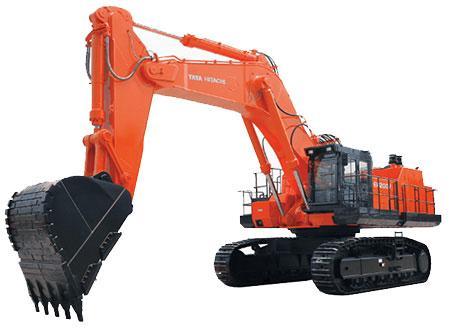
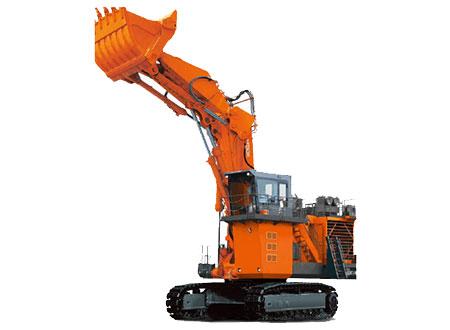
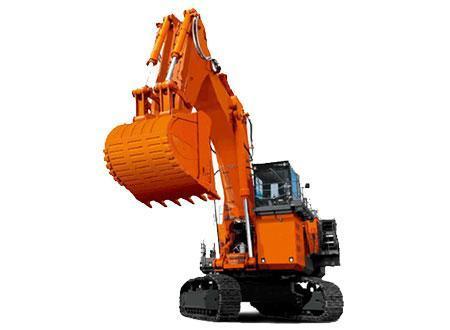
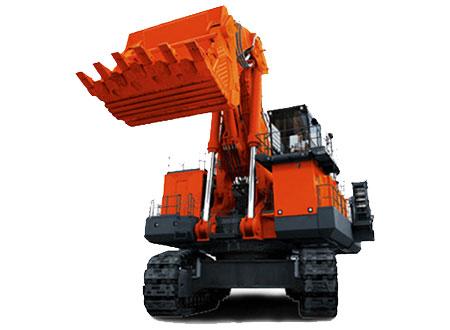
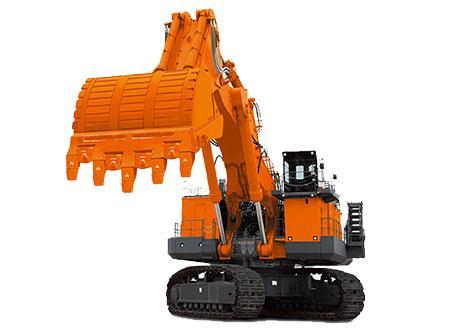
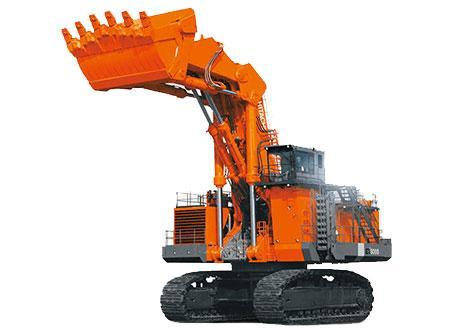
Mining excavators are heavy-duty machines purpose-built to tackle the toughest jobs in rugged environments. These high-capacity excavators are engineered to withstand demanding conditions, handle large volumes of rock or mineral material, and work continuously under heavy loads. Tata Hitachi’s mining excavators or loading shovels are designed for tough operating conditions, where strength, stability, and durability are absolute necessities. In mining and quarry operations, these machines deliver powerful digging performance and help ensure maximum productivity, even in the toughest conditions where reliability is critical. Also read our detailed guide on Excavators: Types, Specifications, and Uses in Construction SitesChoosing the Right Excavator Size
Excavator size plays a major role in how efficiently the work gets done. A machine that is too small may struggle with heavy material, while a machine that is too large may lead to higher fuel consumption and unnecessary costs. A good excavator size guide focuses on three main things: job requirements, working space, and productivity expectations. Smaller excavators are easier to transport and work well in compact areas. Medium excavators are commonly used for general construction because they offer a good balance of digging power and fuel efficiency. Large excavators are designed for demanding jobs such as quarrying and bulk excavation, where a large bucket and strong digging power are needed.Key Features to Consider Before Buying
Once the machine type and size are finalized, the next step is to look at key features that affect daily performance. These factors directly influence excavator price factors, running costs, and machine life.-
Engine Performance and Fuel Efficiency
Fuel cost is one of the biggest expenses on any job site. Fuel-efficient excavators help reduce operating costs without compromising productivity. Machines with multiple working modes also allow better control over fuel usage. -
Hydraulic Excavator Features
- Hydraulics decide how smoothly and powerfully the excavator performs. Strong hydraulic excavator features improve digging speed, lifting capacity, and overall efficiency. Reliable hydraulic systems also reduce breakdown chances.
-
Stability and Undercarriage Strength
- Stability becomes important when working on uneven ground or while lifting heavy material. A strong undercarriage increases machine durability and improves safety.
-
Operator Comfort and Cab Design
A comfortable operator produces better output. Features like good visibility, ergonomic controls, and low cabin vibration reduce fatigue during long working hours. -
Attachment Compatibility
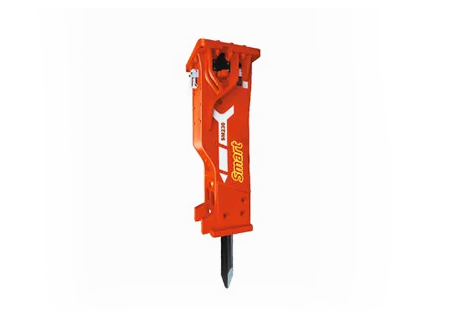
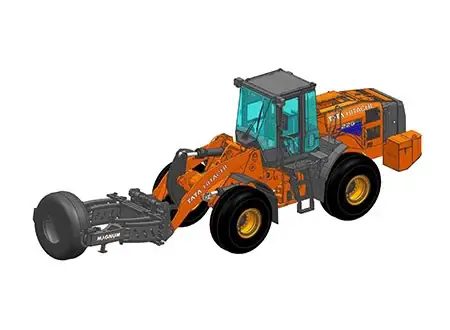
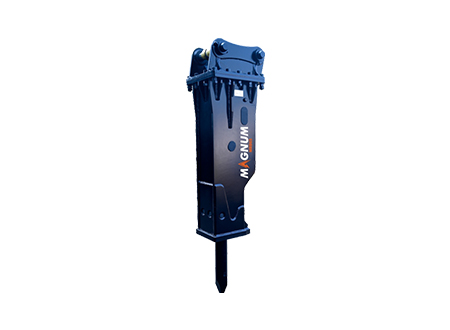
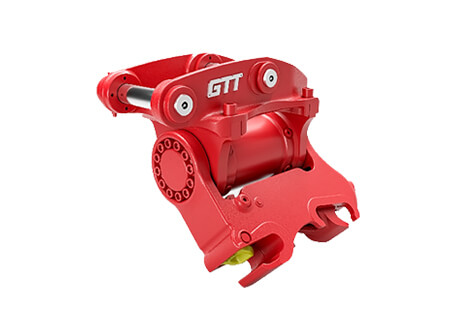
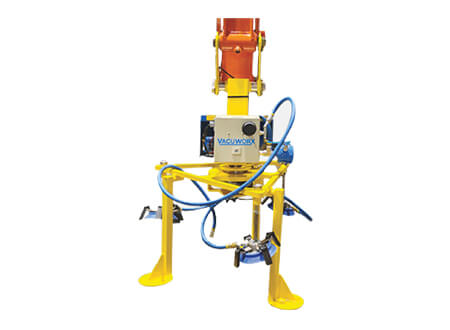
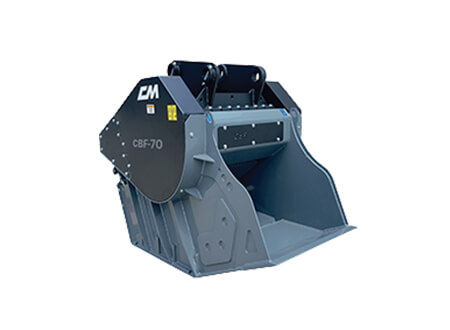
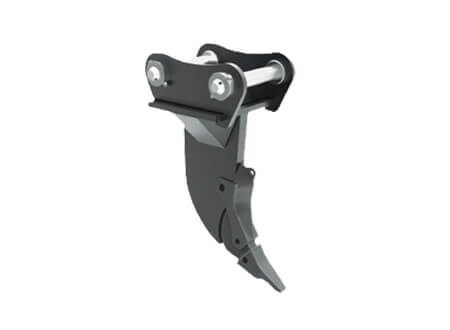
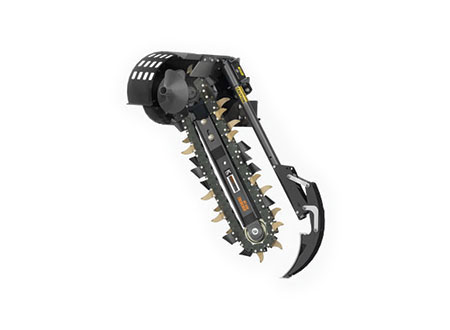
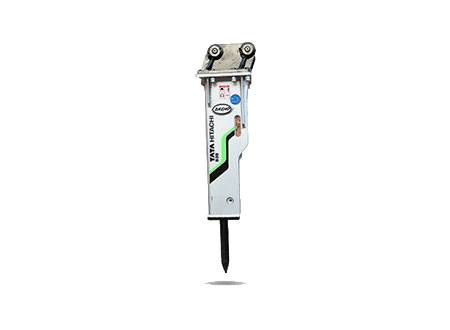
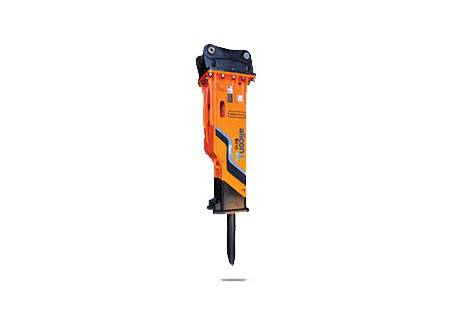
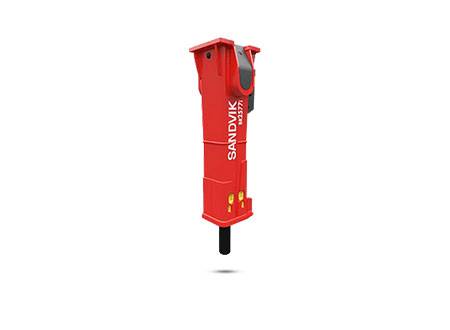
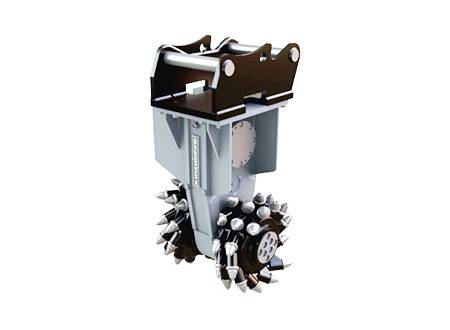
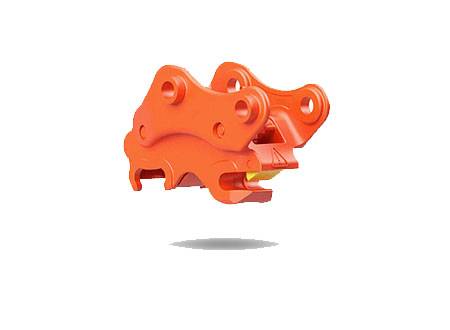
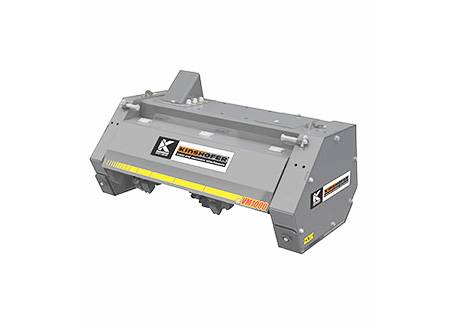
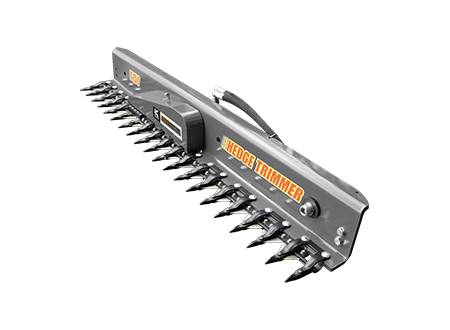
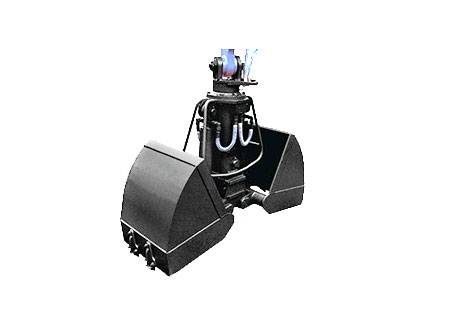
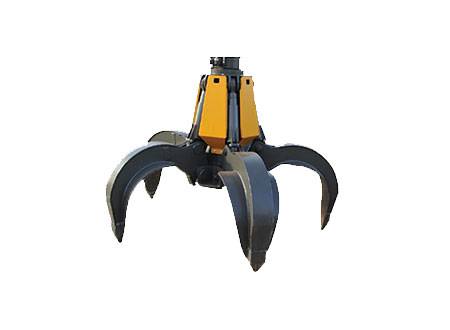
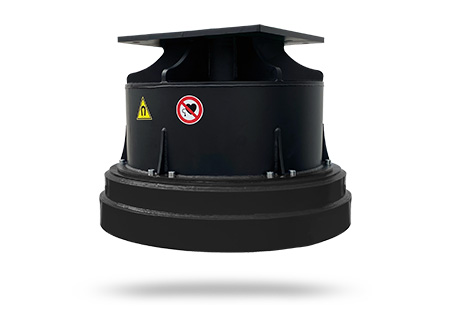
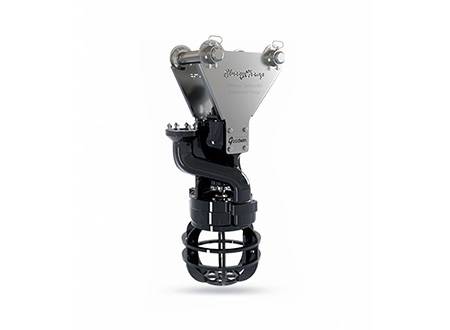
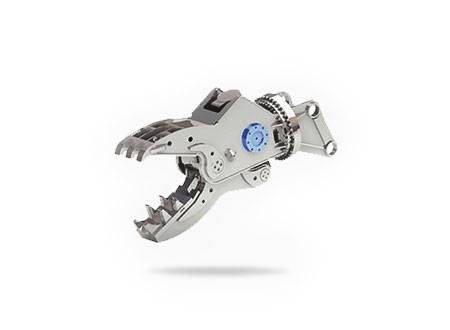
Excavators are not limited to digging. With the right excavator attachments, the same machine can handle a variety of applications. Machines that support a wide range of excavator attachments become more versatile and useful across projects.
New vs Used Excavators
Many buyers face the common question: should the purchase be a new excavator or a used one? A new excavator is the best choice when long-term reliability is needed. It comes with warranty coverage, updated technology, and fewer chances of major repairs. New machines also usually provide better fuel efficiency and smoother hydraulic performance. A used excavator can reduce upfront investment and may be suitable for smaller contractors or short-term projects. However, it is important to inspect the machine properly. Hydraulic condition, undercarriage wear, engine performance, and service history must be checked before purchase. The decision should be based on project duration, utilisation hours, and long-term maintenance planning.Importance of After-Sales Service & Spare Parts
Even the best excavator for construction cannot deliver results if it frequently breaks down or remains idle due to spare part delays. That is why after-sales support is one of the most important factors while selecting a machine. A strong dealer network ensures faster availability of genuine spare parts, trained technicians, and timely maintenance support. This improves uptime and reduces unnecessary project delays. Regular servicing also protects key components like the engine, hydraulics, and undercarriage, increasing the overall lifespan of the machine.FAQs
-
What size excavator is best for construction projects?
The best excavator for construction projects size depends on project scale, digging depth, and material type. Medium excavators suit general construction, while large excavators work better for mining and bulk excavation. -
How do I choose the right excavator?
To choose the right excavator, evaluate site terrain, excavation depth, project duration, material type, and required excavator attachments. Always compare fuel efficiency and after-sales support. -
What factors affect excavator performance?
Excavator performance depends on engine power, hydraulic system efficiency, bucket capacity, operating weight, operator skill, and the use of correct excavator attachments for the job. -
Why are hydraulic systems important in excavators?
Hydraulic systems control digging, lifting, and movement. Strong hydraulic excavator features improve speed, precision, and lifting capacity, directly increasing productivity and reducing operating stress. -
What is the average lifespan of an excavator?
An excavator typically lasts 8,000 to 15,000 working hours, depending on maintenance quality, job conditions, and spare parts support. Proper servicing can extend its operational life. -
How much fuel does a construction excavator consume?
Fuel consumption varies by excavator size and workload. Smaller machines consume less fuel, while heavy construction equipment, such as excavators can consume significantly more during high-load excavation operations.

Clamshell Buckets for Construction Excavators: Types, Uses, and How to Choose the Right One
Read more
Excavator Maintenance Checklist: Daily, Weekly & Monthly Guide
Read moreMost Viewed Article
- Excavator: Types, Specifications, Uses in Construction Site
- Which Is Better: Backhoe or the Excavator?
- Construction Equipment License: How to Get Heavy Machinery Operator License in India
- Enhancing Excavator Efficiency: A Comprehensive Guide to Excavator Attachments
- How does the Backhoe Loader work?
Recent Articles
July 31, 2026.
Why Choose Tata Hitachi Excavators? Benefits, Price & Best Models in India
Why Choose Tata Hitachi Excavators? Benefits, Price & Best Models in India Tata Hitachi excavators are among the most trusted Continue Reading
Read more
July 29, 2026.
How Tata Hitachi Excavators Are Engineered for Fuel Efficiency
How Tata Hitachi Excavators Are Engineered for Fuel Efficiency Fuel is one of the biggest operating expenses in any construction Continue Reading
Read more
July 29, 2026.
How Much Does Excavation Cost in India? A Contractor’s Guide
How Much Does Excavation Cost in India? A Contractor’s Guide Excavation is one of the first and most important activities Continue Reading
Read more

Related Articles
July 31, 2026.
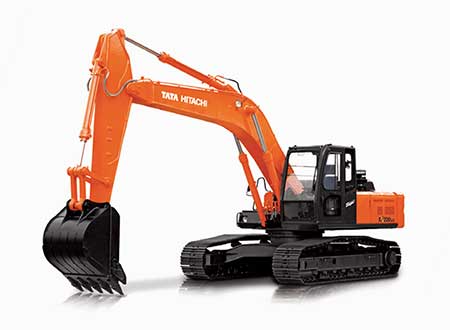
Why Choose Tata Hitachi Excavators? Benefits, Price & Best Models in India
Why Choose Tata Hitachi Excavators? Benefits, Price & Best Models in India Tata Hitachi excavators are among the most trusted Continue Reading
Read more
July 29, 2026.
How Tata Hitachi Excavators Are Engineered for Fuel Efficiency
How Tata Hitachi Excavators Are Engineered for Fuel Efficiency Fuel is one of the biggest operating expenses in any construction Continue Reading
Read more
July 29, 2026.
How Much Does Excavation Cost in India? A Contractor’s Guide
How Much Does Excavation Cost in India? A Contractor’s Guide Excavation is one of the first and most important activities Continue Reading
Read more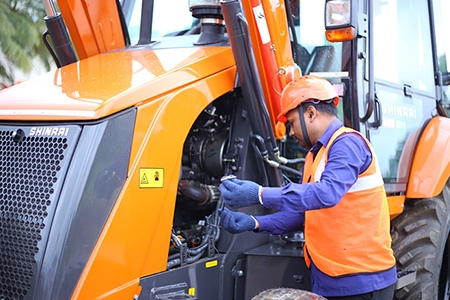
July 29, 2026.
Excavator Maintenance Checklist: Daily, Weekly & Monthly Guide
Excavator Maintenance Checklist: Daily, Weekly & Monthly Guide Regular excavator maintenance is essential for keeping the machine safe, productive, and Continue Reading
Read more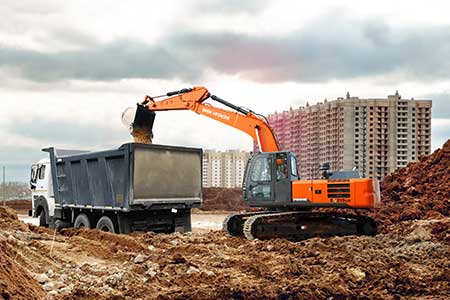
June 17, 2026.
How to Choose the Right Excavator for Your Construction Needs
How to Choose the Right Excavator for Your Construction Needs Selecting the right excavator is one of the most important Continue Reading
Read more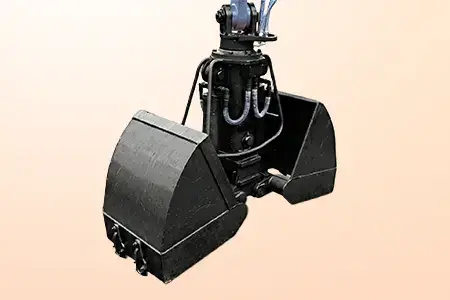
February 10, 2026.
Clamshell Buckets for Construction Excavators: Types, Uses, and How to Choose the Right One
Clamshell Buckets for Construction Excavators: Types, Uses, and How to Choose the Right One | Tata Hitachi
Read more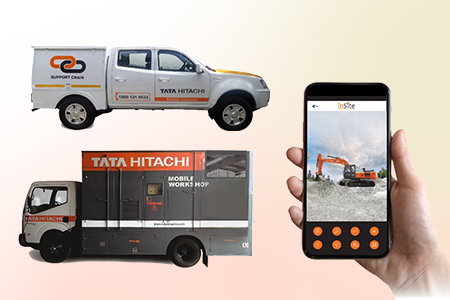
August 1, 2025.
The Role of After-Sales Support in Heavy Equipment Longevity
The Role of After-Sales Support in Heavy Equipment Longevity In industries like construction, mining, and infrastructure development, the journey doesn’t Continue Reading
Read more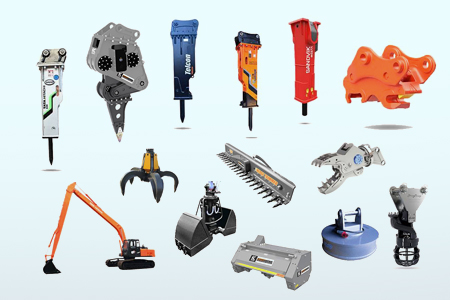
August 1, 2025.
How the Right Attachments Can Reduce Heavy Machine Downtime
How the Right Excavator Attachments Can Reduce Heavy Machine Downtime In construction, mining, and infrastructure projects, machine downtime often leads Continue Reading
Read more
July 31, 2025.
Electric Construction Heavy Equipment Machinery: Benefits, Disadvantages, and More
Electric Construction Heavy Equipment Machinery: Benefits, Disadvantages, and More Introduction The construction equipment industry is undergoing a major transformation Continue Reading
Read more
April 22, 2025.
Construction Equipment License: How to Get Heavy Machinery Operator License in India
Construction Equipment License: How to Get Heavy Machinery Operator License in India Operating heavy machinery is a crucial role in Continue Reading
Read more