For any customer complaints or service requests, email Tata Hitachi at: customer.support@tatahitachi.co.in
For any customer complaints or service requests, email Tata Hitachi at: customer.support@tatahitachi.co.in

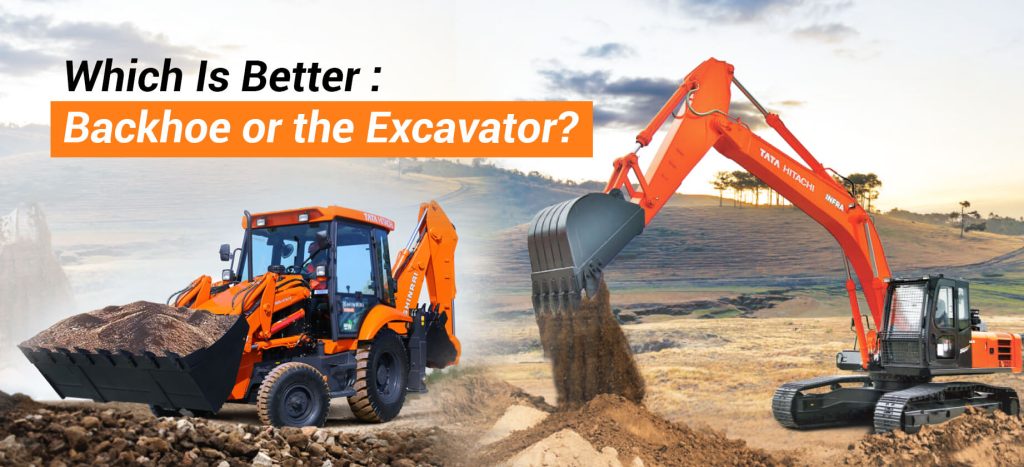
Backhoe Vs Excavator: Which One to Choose for Construction.
The construction sector increases GDP and gross capital creation for the country and offers opportunities for investment in related industries. In the world of heavy construction equipment, excavators and backhoe loaders are the torchbearers. They are the most widely used heavy equipment in the construction industry. While the majority of duties may be completed by either of these machines, some glaring distinctions between the two should be considered before using or purchasing either piece of equipment for a job site.
Because each machine is designed for specific applications and working conditions, selecting the right equipment is critical for achieving operational efficiency and project productivity. Choosing between a backhoe loader and an excavator depends on the type of construction work, project scale, terrain conditions, and operational requirements. While both machines may perform similar functions, understanding their differences helps improve productivity, efficiency, and machine utilization on-site.
What Is the Difference Between a Backhoe and an Excavator?
Although backhoe loaders and excavators are used for digging and material handling, they differ in terms of machine size, rotation capability, versatility, and mobility.
| Feature | Backhoe Loader | Excavator |
| Machine Size | Compact and lighter | Larger and heavier |
| Rotation | Limited swing movement | Full 360-degree rotation |
| Mobility | Can travel on roads | Requires transportation |
| Best Suited For | Medium-scale projects | Heavy-duty projects |
| Digging Power | Moderate | High |
| Applications | Loading, trenching, excavation | Mining, demolition, deep excavation |
1. Size: The size difference is the main distinction between excavators and backhoes. Backhoes are often smaller and lighter than excavators, which makes them more maneuverable. Although backhoes are smaller than excavators, they are nonetheless perfect for a variety of operations, such as:
- Framing
- Medium-scale construction
- Medium-scale excavation
- Loading application
- Snow removal
- Roadwork projects
- Utility and municipal work
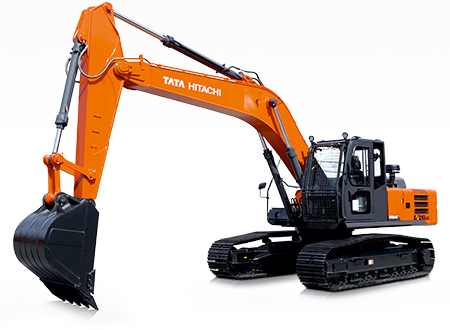
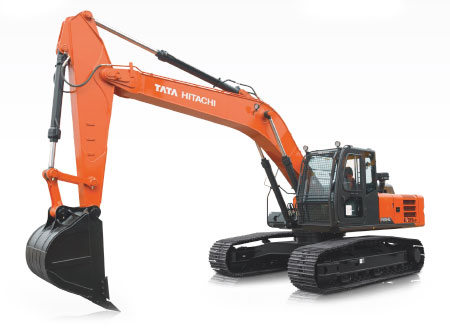
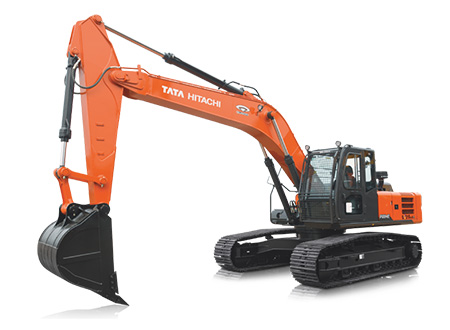
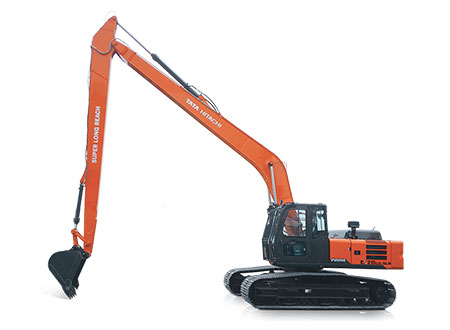
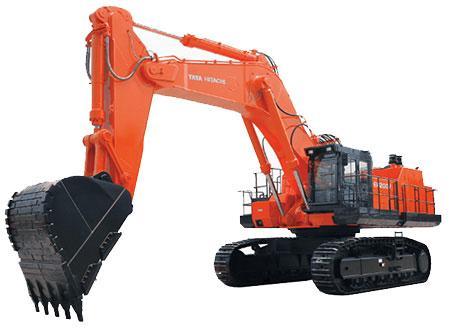
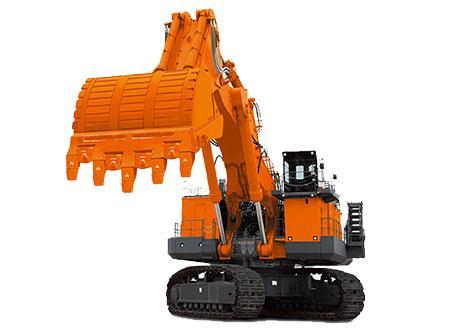
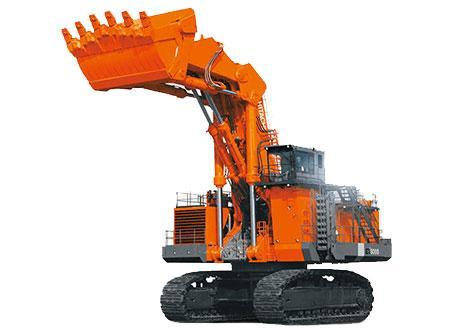
Excavators are larger machines designed for heavy-duty construction and earthmoving operations. Their higher digging depth and hydraulic power make them suitable for demanding applications such as mining, demolition, and large infrastructure projects.
2. Rang of Rotation: Backhoe excavators have a less range of motion than excavators, which can spin around 360 degrees. Typically, a backhoe can only rotate the loader arm by roughly 200 degrees. For operators, this distinction is quite important. Time is saved because an excavator’s range of rotation prevents the need to constantly adjust the machine.
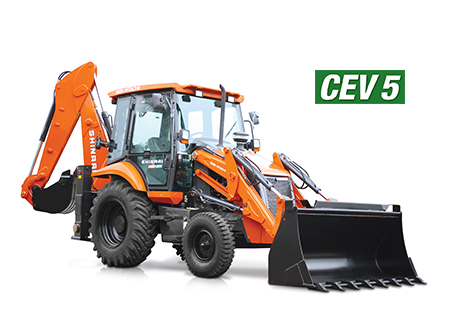
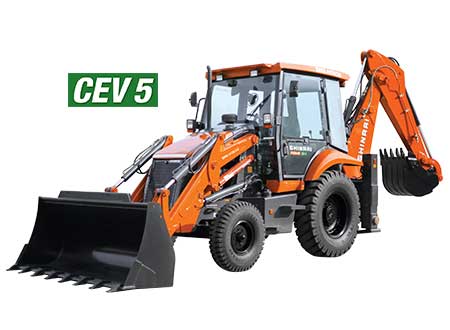
3. Versatility and Attachments: Excavators and backhoes are both incredibly adaptable machines since they can be equipped with a wide variety of attachments. However, the backhoe offers a wider selection of attachment possibilities. Backhoe Loaders are a combination of Loaders and Excavators. It has a backhoe machine on the rear and a shovel/bucket in the style of a loader on the front.
Common attachments used with backhoe loaders include:
- Buckets
- Forklifts
- Brooms
- Plows
- Hydraulic breakers
Excavators also support several attachments for specialized applications such as:
- Rock breaking
- Demolition
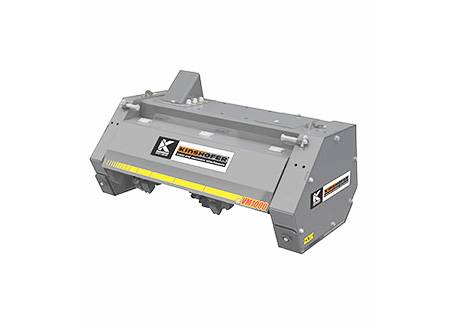
- Forestry operations
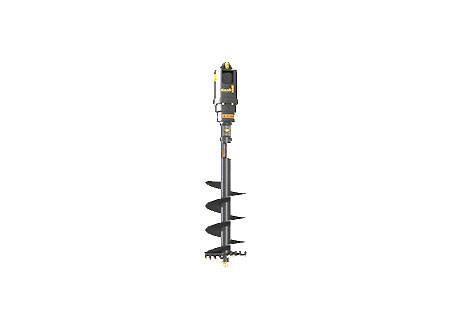
- Heavy-duty drilling
4. Mobility on Construction Sites: Backhoe excavators offer the benefit of mobility. They may be driven up to 25 miles per hour on public highways because they are wheeled vehicles that are smaller than the excavator. If they need to be relocated between job locations, this is very helpful.
Backhoe vs. Excavator – Which Machine Should You Choose?
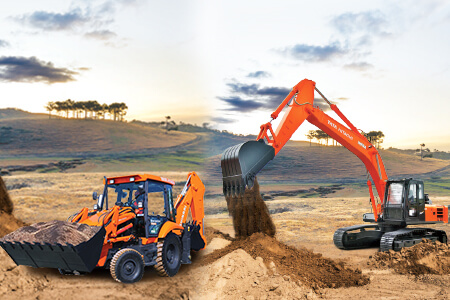
Even though it might be challenging to distinguish between a backhoe and an excavator, there are three key differences between the two: size, adaptability, and rotation. It is critical to select the appropriate machine for your project since these elements make each machine suitable for various jobs.
When deciding whether an excavator or backhoe is the better choice for your project, there are a few things to consider:
- Your machine should be the appropriate size for the scope of your job. You are probably better off using an excavator if working on large-scale construction, excavation, or a demolition project when sheer mechanical power is crucial. You could think about utilizing a backhoe if your project has a more moderate scale.
- Excavators have more strength than backhoes. Particularly more strength for digging and tearing down. Use them for the most demanding tasks. For medium-sized projects, use a backhoe, and for smaller ones, a mini excavator.
- The backhoe has the benefit of being able to move about a construction site with ease. Using a backhoe will be simpler if your project is spread out and you need to finish a project spanning several locations.
- There are certain jobs that can be completed with either a backhoe or an excavator, like excavating, but there are those that truly only work with any one type of equipment. Make sure the equipment you purchase is adequate by considering the unique jobs and attachments your project will require.
What are the Applications of Excavators Over Backhoe Loaders?
Excavator Applications:
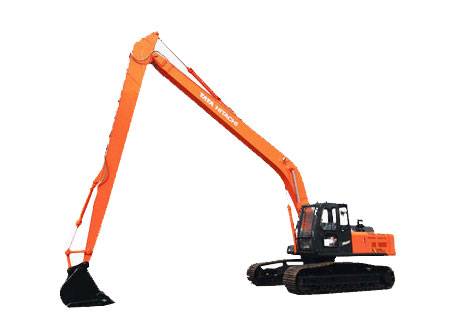
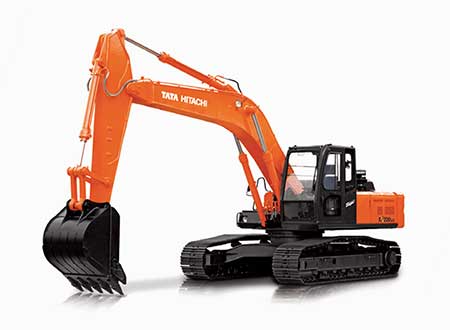
For the majority of construction projects, excavators are a crucial piece of heavy machinery. Hydraulic excavators, often known as diggers, are tools used for a variety of tasks, including material handling, river dredging, demolition, landscaping, and building. An excavator’s whole cab rotates 360 degrees atop its undercarriage, unlike a backhoe: one of the most noticeable distinctions. Opposite the digging arm, most wheeled and mini excavators also have a dozer blade connected.
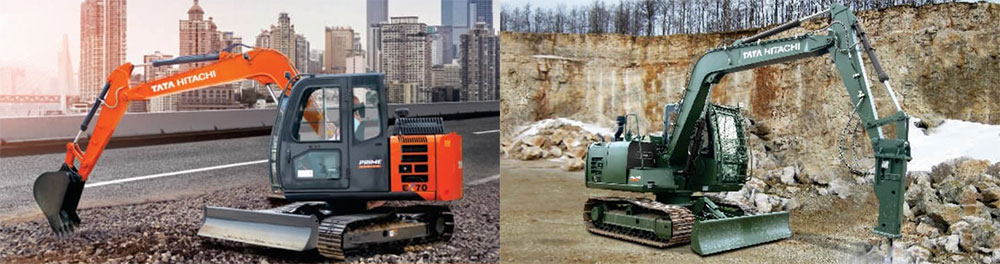
The excavator, like the backhoe, has a variety of attachments that enable it to do jobs apart from simple diggings: such as heavy-duty drilling and demolition. In forestry operations, excavators are frequently combined with attachments for cutting bush.
You can use a hydraulic excavator for heavy-duty, industrial jobs, such as:
- Demolition projects
- Drilling shafts
- Rock blasting
- Driving piles
- Mining operations
- Deep excavation
- River dredging
- Pile driving
- Heavy material handling
- Large infrastructure projects
Excavators can also support attachments for:
- Bush cutting
- Forestry operations
- Hydraulic breaking
- Drilling applications
Their higher digging force and operational efficiency make them suitable for large-scale and demanding construction activities.
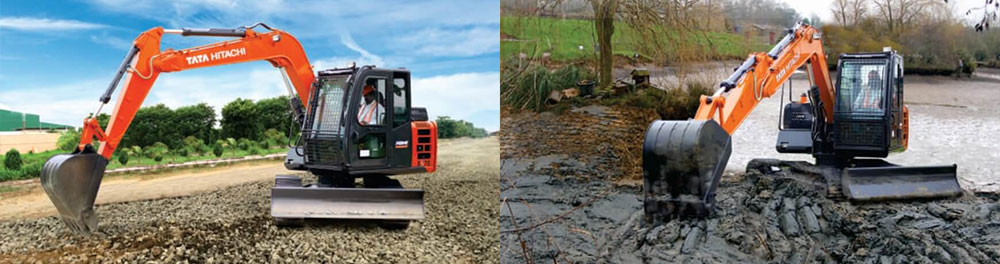
An excavator may use a range of attachments to carry out a number of activities in addition to digging. For example, the installation of bush-cutting attachments to an excavator allows it to be employed in forestry operations.
Backhoe Loader Applications:
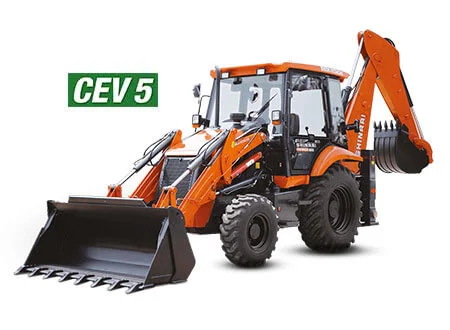
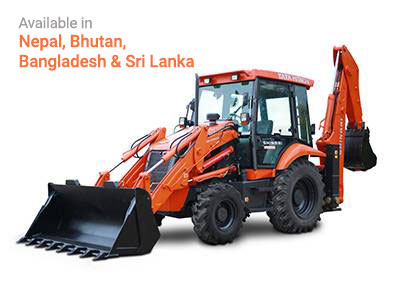
A backhoe loader is a large construction machinery that comprises a tractor-like unit with a backhoe machine on the rear and a shovel/bucket in the style of a loader on the front. It is a combination of loaders and hydraulic excavators.
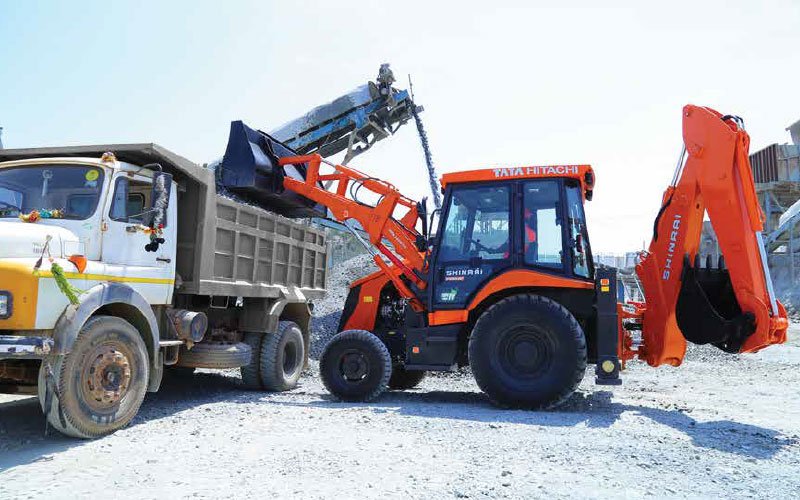
A Backhoe excavator machine can do a massive variety of tasks. The seat may be turned 360 degrees so that the operator can face the side that is currently being utilized. The component that supports the bucket of the digger is known as the dipper or arm, and the portion of the backhoe arm that links to the tractor is known as the boom. There is a wide variety of attachments available for a backhoe. The front loader can also be attached with various brooms, plows, and forklifts. A backhoe can occasionally even act as a crane by crossing the straps of an object being hoisted over the dipper stick.
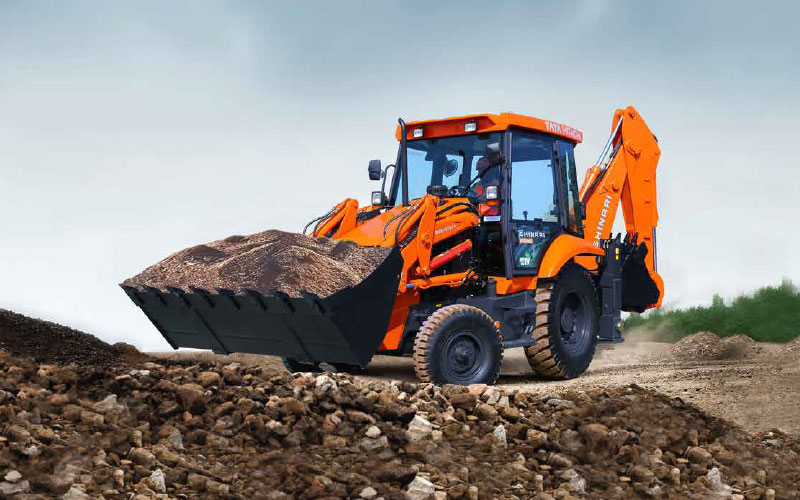
On the other hand, backhoes are lighter, more flexible, and better suited for jobs like:
- Medium-scale construction
- Medium-scale excavation
- Snow removal
- Loading applications
- Trenching
- Road maintenance
- Utility projects
- Agricultural work
- Material handling
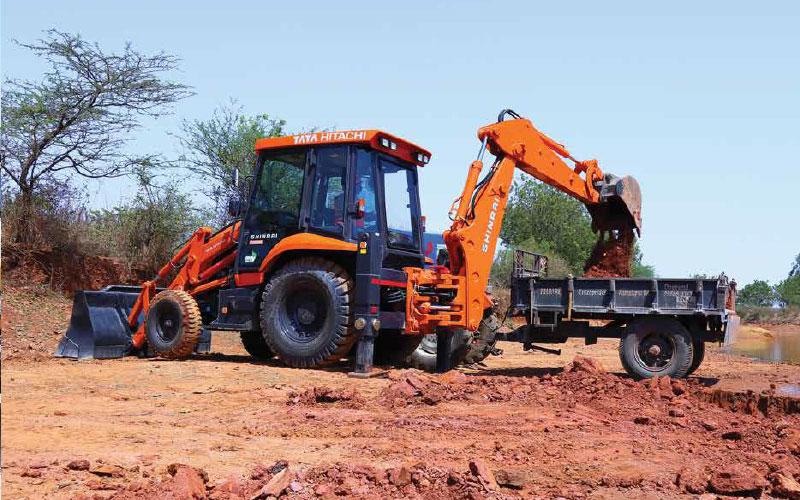
The backhoe excavator is an extremely useful piece of farm equipment since it has all of these features and more.
Excavators and backhoes are common tools on construction sites. They both serve the same function of digging and excavating. Still, you may choose the one that is ideal for your particular needs based on variations in size, range of rotation, and adaptability.
Backhoe Loader vs Excavator: Which Is Better for Indian Construction Projects?
In Indian construction and infrastructure projects, both backhoe loaders and excavators play an important role depending on operational requirements. Backhoe loaders are commonly preferred for:- Urban infrastructure work
- Municipal projects
- Road repair and maintenance
- Compact construction sites
- Mining projects
- Highway construction
- Large-scale excavation
- Industrial infrastructure development
Conclusion
Both backhoe loaders and excavators are important machines in modern construction projects. The right equipment choice depends on project size, excavation depth, mobility requirements, and operational needs. Backhoe loaders are ideal for versatile and medium-scale construction activities where flexibility and mobility are important. Excavators are better suited for heavy-duty excavation, demolition, mining, and large infrastructure projects requiring higher digging power and operational efficiency. Understanding the differences between these machines helps contractors and construction businesses select the right equipment for improved productivity and project performance.FAQs
-
What is the main difference between a backhoe loader and an excavator?
- The main difference lies in machine size, mobility, and rotation capability. Excavators are larger machines designed for heavy-duty excavation, while backhoe loaders are compact and versatile machines used for medium-scale construction work.
-
Which machine is better for small construction projects?
Backhoe loaders are generally better suited for small and medium-scale construction projects because they offer both loading and digging capabilities along with easier mobility. -
Can a backhoe loader replace an excavator?
A backhoe loader can perform several excavation tasks, but for heavy-duty excavation, demolition, and mining operations, excavators are more efficient and powerful. -
What are excavators mainly used for?
Excavators are mainly used for mining, demolition, deep excavation, material handling, trenching, and large infrastructure development projects. -
Which machine is easier to move between job sites?
Backhoe loaders are easier to move between locations because they can travel on roads without requiring additional transport equipment.

Benefits of using Tata Hitachi’s Spare Parts
Read more
Certified Used Equipment and Rentals
Read moreMost Viewed Article
- Excavator: Types, Specifications, Uses in Construction Site
- Which Is Better: Backhoe or the Excavator?
- Construction Equipment License: How to Get Heavy Machinery Operator License in India
- Enhancing Excavator Efficiency: A Comprehensive Guide to Excavator Attachments
- How does the Backhoe Loader work?
Recent Articles
July 31, 2026.
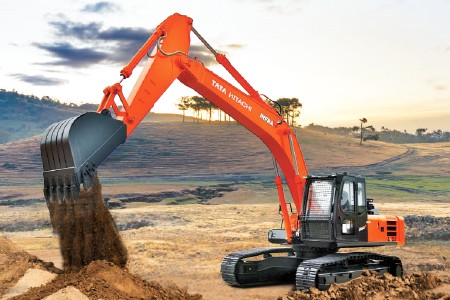
Why Choose Tata Hitachi Excavators? Benefits, Price & Best Models in India
Why Choose Tata Hitachi Excavators? Benefits, Price & Best Models in India Tata Hitachi excavators are among the most trusted Continue Reading
Read more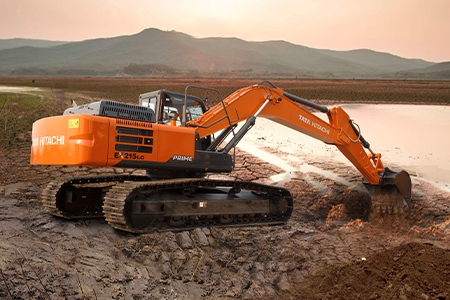
July 29, 2026.
How Tata Hitachi Excavators Are Engineered for Fuel Efficiency
How Tata Hitachi Excavators Are Engineered for Fuel Efficiency Fuel is one of the biggest operating expenses in any construction Continue Reading
Read more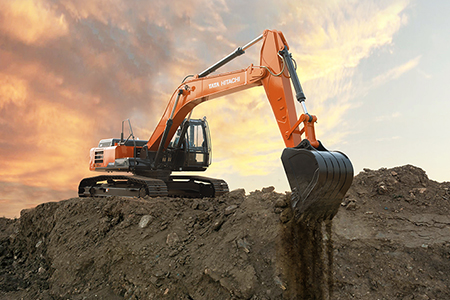
July 29, 2026.
How Much Does Excavation Cost in India? A Contractor’s Guide
How Much Does Excavation Cost in India? A Contractor’s Guide Excavation is one of the first and most important activities Continue Reading
Read more

Related Articles
July 31, 2026.
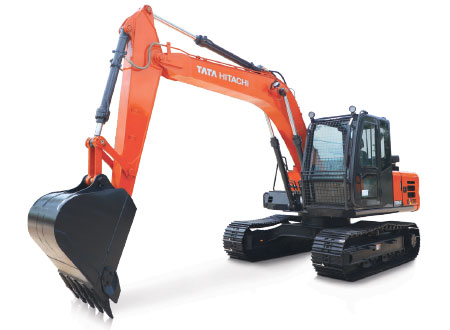
Why Choose Tata Hitachi Excavators? Benefits, Price & Best Models in India
Why Choose Tata Hitachi Excavators? Benefits, Price & Best Models in India Tata Hitachi excavators are among the most trusted Continue Reading
Read more
July 29, 2026.
How Tata Hitachi Excavators Are Engineered for Fuel Efficiency
How Tata Hitachi Excavators Are Engineered for Fuel Efficiency Fuel is one of the biggest operating expenses in any construction Continue Reading
Read more
July 29, 2026.
How Much Does Excavation Cost in India? A Contractor’s Guide
How Much Does Excavation Cost in India? A Contractor’s Guide Excavation is one of the first and most important activities Continue Reading
Read more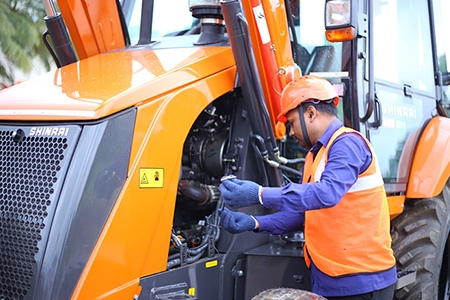
July 29, 2026.
Excavator Maintenance Checklist: Daily, Weekly & Monthly Guide
Excavator Maintenance Checklist: Daily, Weekly & Monthly Guide Regular excavator maintenance is essential for keeping the machine safe, productive, and Continue Reading
Read more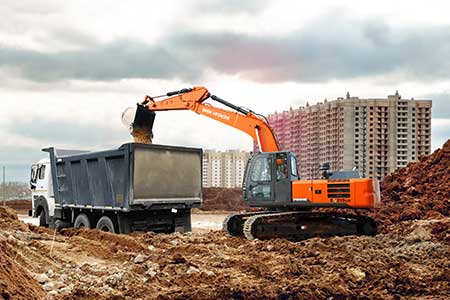
June 17, 2026.
How to Choose the Right Excavator for Your Construction Needs
How to Choose the Right Excavator for Your Construction Needs Selecting the right excavator is one of the most important Continue Reading
Read more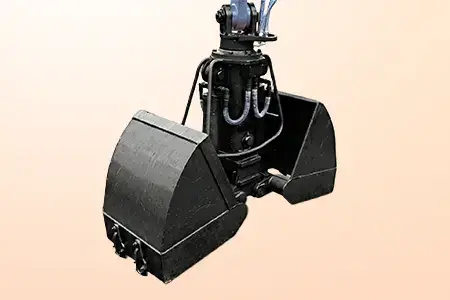
February 10, 2026.
Clamshell Buckets for Construction Excavators: Types, Uses, and How to Choose the Right One
Clamshell Buckets for Construction Excavators: Types, Uses, and How to Choose the Right One | Tata Hitachi
Read more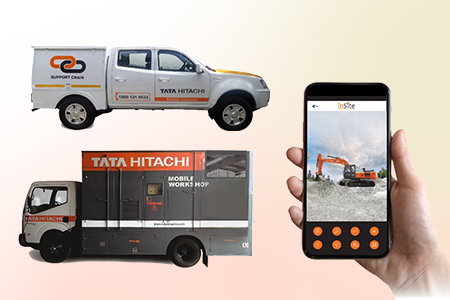
August 1, 2025.
The Role of After-Sales Support in Heavy Equipment Longevity
The Role of After-Sales Support in Heavy Equipment Longevity In industries like construction, mining, and infrastructure development, the journey doesn’t Continue Reading
Read more
August 1, 2025.
How the Right Attachments Can Reduce Heavy Machine Downtime
How the Right Excavator Attachments Can Reduce Heavy Machine Downtime In construction, mining, and infrastructure projects, machine downtime often leads Continue Reading
Read more
July 31, 2025.
Electric Construction Heavy Equipment Machinery: Benefits, Disadvantages, and More
Electric Construction Heavy Equipment Machinery: Benefits, Disadvantages, and More Introduction The construction equipment industry is undergoing a major transformation Continue Reading
Read more
April 22, 2025.
Construction Equipment License: How to Get Heavy Machinery Operator License in India
Construction Equipment License: How to Get Heavy Machinery Operator License in India Operating heavy machinery is a crucial role in Continue Reading
Read more